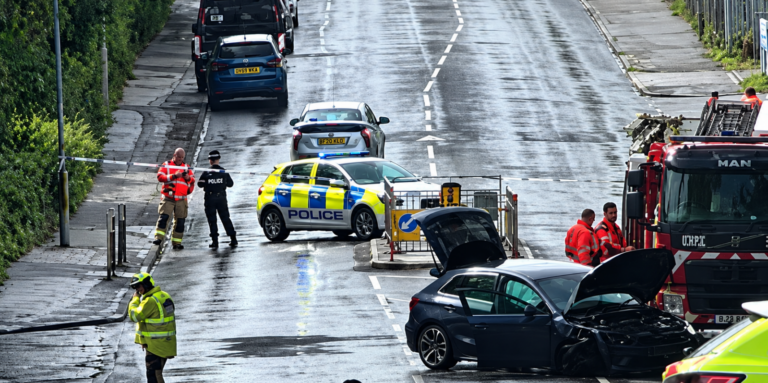

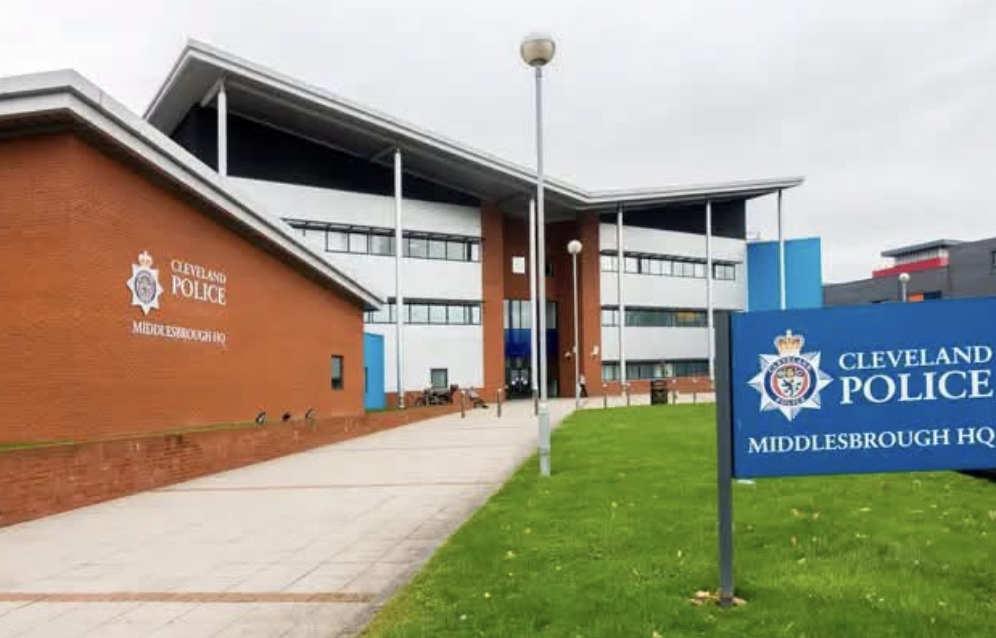
Police forces across England and Wales are continuing to fall short when investigating crimes and supporting victims, the country’s senior policing inspector has warned. Michelle Skeer, His Majesty’s Chief Inspector of Constabulary, said significant weaknesses remain in the way forces gather evidence, pursue lines of inquiry and keep victims updated about their cases. Her annual assessment found that, of the 13 police forces inspected during the latest cycle, not one was rated outstanding for investigating Crime. None was rated good or outstanding for providing a safe and lawful custody environment either. Forces assessed included Merseyside, Cumbria, Devon and Cornwall, Thames Valley, West Yorkshire, Kent and Surrey. Inspectors identified problems ranging from delays in answering emergency and non-emergency calls to officers taking too long to attend incidents. Concerns were also raised about inconsistent safeguarding of vulnerable people and the response to reports of missing people. Victims were found to be receiving an inconsistent service, with shortcomings in investigations and failures to provide adequate updates about the progress of cases. Ms Skeer said policing had reached a “pivotal moment” and acknowledged the increasing complexity of the demands being placed on officers. But she warned: “There are still areas where performance is not good enough.” Planned reforms to policing could include the creation of a National Police Service with responsibility for areas including counter-terrorism and fraud, potentially reducing some of the pressure currently placed on local forces. Victim Support described the findings as “unacceptable” and warned that victims and survivors were paying the price for shortcomings within policing. Chief executive Katie Kempen said: “Every victim of crime deserves to be treated with respect, to be given access to justice, and to have their needs identified and met.” The criticism comes as police forces continue to face significant financial and operational pressures. Cleveland Police, which has warned that it has been under-resourced for years despite increasing demand, faces the highest recorded crime rate in England outside central London. The inspectorate’s findings add further pressure on police leaders to improve investigations, response times and the service provided to victims as wider reforms to policing are considered.
Originally published by UKNIP.