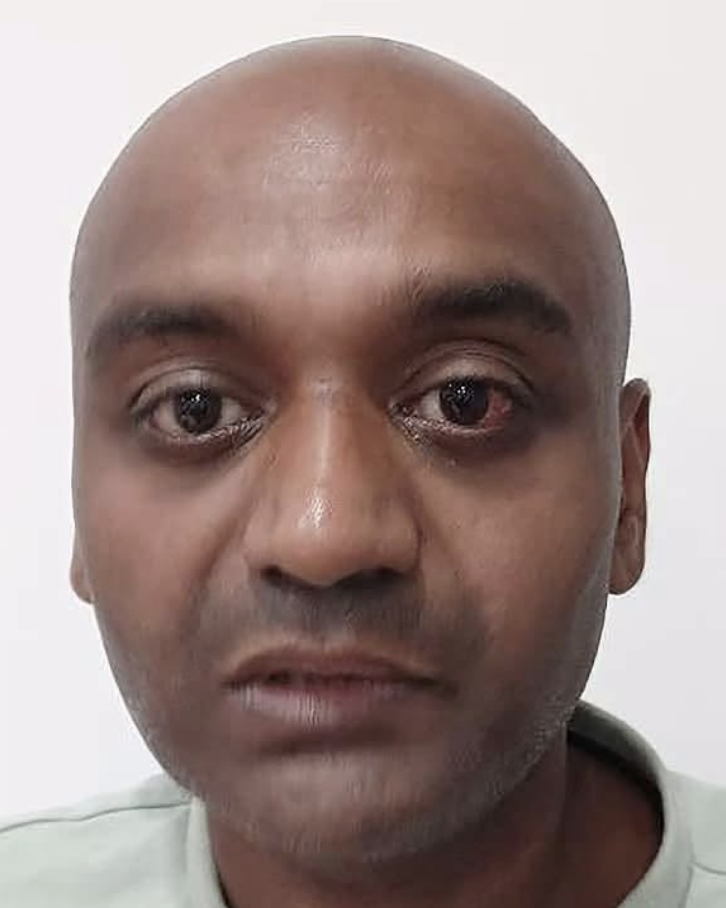


Egyptian television presenter and influencer Sarah Khalifa has reportedly been sentenced to death by hanging after being convicted of involvement in a major drug manufacturing and trafficking operation. The 39-year-old, who has more than two million followers on Instagram and previously presented a programme called Mission Impossible, was convicted alongside a number of other defendants by a court in Cairo. Khalifa and 11 others were reportedly convicted of offences connected to the manufacture and trafficking of synthetic drugs, as well as weapons-related charges. According to reports, Khalifa broke down after hearing the sentence and insisted she had been wrongly convicted. She reportedly told the court: “I swear to Almighty God, with the strongest oath, that I have been wronged. I’ve never smoked a cigarette in my life!” Khalifa was said to have wept and appealed for “mercy and humanity”, while also telling the court that she was suffering from a tumour. The case involved what prosecutors described as a significant drug production and distribution operation. Authorities reportedly recovered around 750kg of drugs and materials used in their manufacture from apartments and other properties connected with the investigation. The substances allegedly included GHB, a powerful depressant sometimes referred to as a “date rape” drug. Firearms and other weapons were also reportedly seized during the investigation. The defendants were additionally prosecuted over the kidnapping and assault of a man, with reports stating that the attack was filmed inside an apartment linked to Khalifa. Khalifa has maintained that she is innocent of the allegations against her. The death sentence represents a dramatic fall for the television personality and social media influencer, who built a substantial online following before becoming embroiled in the criminal investigation. Under Egypt’s legal system, death sentences are subject to further judicial procedures and can be challenged through the appeals process before becoming final.
Originally published by UKNIP.