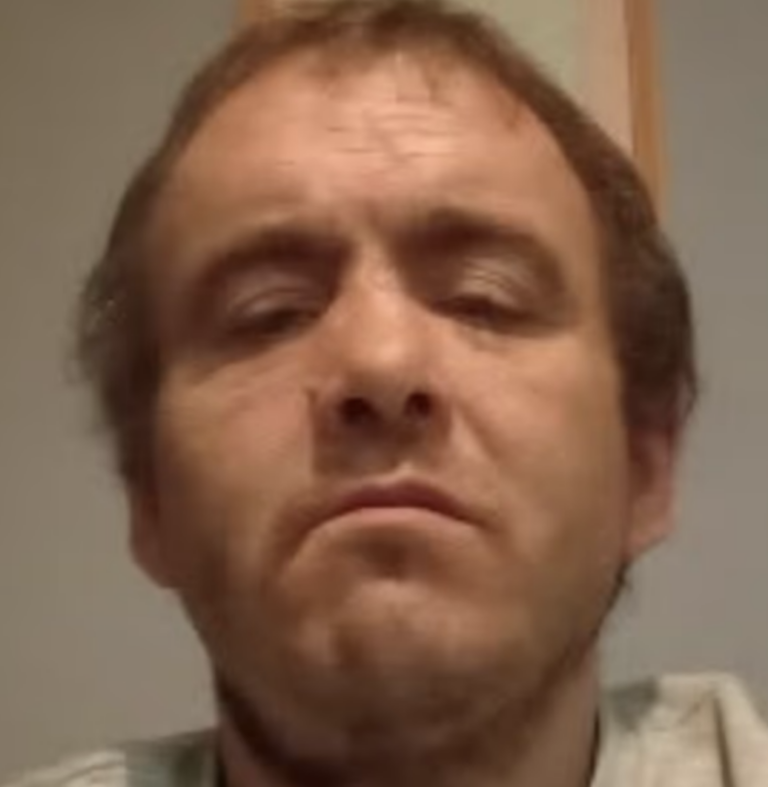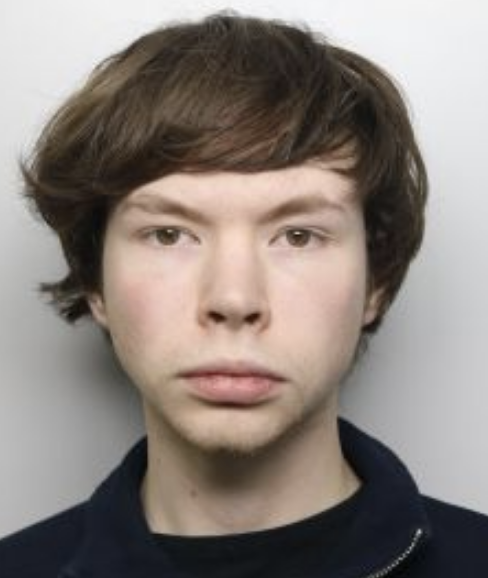

A 28-year-old man from Strood has become the first person in Kent to be convicted for producing sexually explicit AI deepfake images without consent.
In March 2026, police were alerted after monitoring software detected Harry Geddes viewing AI-created explicit images involving apparent underage subjects. This triggered an investigation by the North Kent sexual offenders management team.
New AI Deepfake Laws Tested
Legislation introduced in February 2026 now makes it illegal to create intimate AI-generated images depicting real people without their consent. Geddes is the first person in Kent to be prosecuted under this new law, highlighting police efforts to tackle emerging digital crimes.
Phone Monitoring Uncovers Offences
Geddes was already subject to a Sexual Harm Prevention Order (SHPO) with conditions including mobile phone monitoring due to a prior conviction. On 23 March, software flagged his access to AI-generated explicit images combining adult women and minors, produced from social media photographs and uploaded to AI platforms.
Multiple SHPO Breaches Found
During the investigation, police discovered Geddes had created multiple fake online identities and used websites designed to erase internet history—both violations of his SHPO. He was arrested on 10 June and charged with creating non-consensual intimate images, possession of indecent images of a child, and SHPO breaches.
Court Proceedings Underway
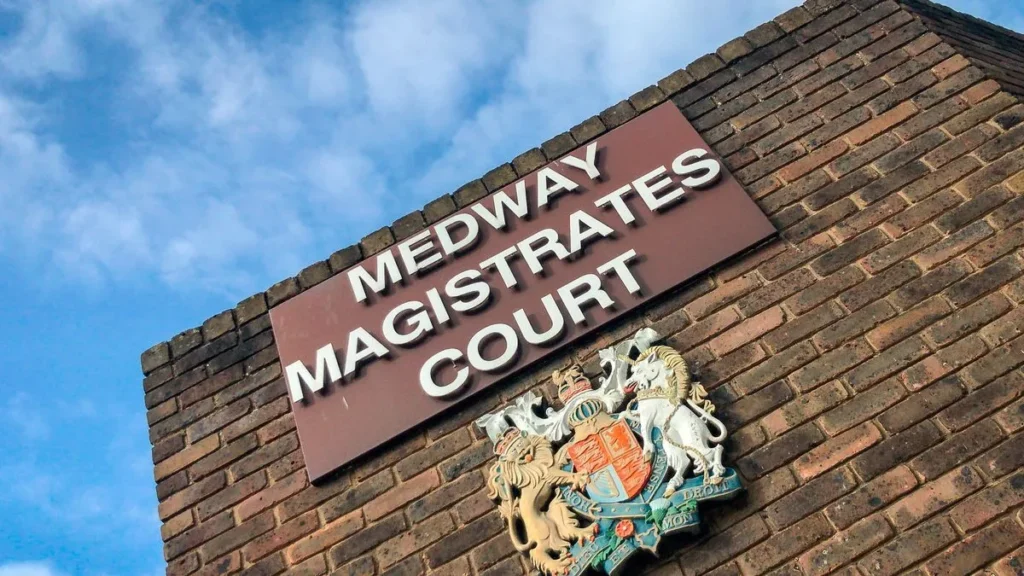
Geddes pleaded guilty to all charges at Medway Magistrates’ Court on 11 June. He was remanded in custody ahead of a forthcoming hearing at Maidstone Crown Court, with the date still to be set.
Detective Warns On AI Crime
“With AI usage rising, new legislation is increasingly needed to meet the criminality that can be committed through it,” said Detective Sergeant Fleur Hardie. “Using AI to create intimate images is not a victimless offence and it can cause victims immense distress. Geddes may be the first to be convicted of creating explicit AI deepfakes, but anyone doing the same should be aware that this is a crime and we will come after you.”
Originally published by UKNIP.