
Residents of Bentworth Road in West London were forced to evacuate their homes last night following the discovery of suspected radioactive material. The incident occurred during a cleaning operation at a semi-detached house owned by an elderly hoarding couple, located just 100 yards from a local primary school.
A private cleaning firm was hired to clear the cluttered property when the alarm was raised. A cleaner named George found suspicious bags and took them to a nearby scrapyard. Scanners at the scrapyard flagged the material as radioactive, but the scrapyard refused to accept the bags, prompting George to alert the authorities.
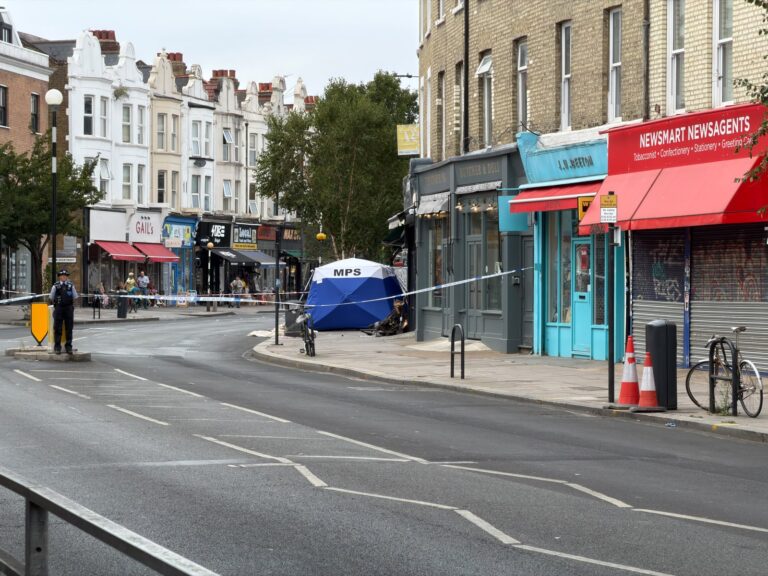
Specialist CBRN (Chemical, Biological, Radiological, Nuclear) teams were dispatched to the scene. Approximately a dozen homes were evacuated, and residents were prohibited from re-entering while experts searched the area for potential hazards.
George commented on the situation, saying, “I’ve cleaned so many houses like this and often don’t know what’s inside,” highlighting the risks involved in dealing with hoarded properties. A neighbour expressed concern, stating, “It’s worrying because their garden backs onto mine. They were nice people but serious hoarders – you couldn’t even move inside their house.”
The property belonged to an elderly couple known locally for decades of hoarding. The 90-year-old woman passed away last Christmas, and her husband has since moved into a care home. George described the house as packed to the brim with clutter, suggesting the radioactive material could have been hidden away for years without anyone realising its danger.
The Metropolitan Police later confirmed that the substance was examined and found to be safe. A spokesperson said, “We were called after a person found an item they believed contained a harmful or chemical substance. It was checked and found to be safe. No further action.”
With emergency crews stood down, families have been allowed to return to their homes, although the unsettling discovery has left the community shaken.
Originally published by UKNIP.