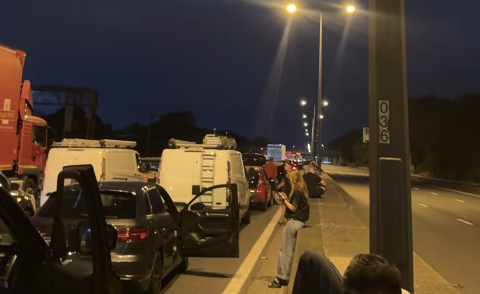

The M25 motorway will shut down entirely between junctions 10 and 11 this weekend, causing significant traffic disruption for London drivers. The closure begins at 9pm on Friday, March 15, and lasts until 6am on Monday, March 18. This marks the first full weekend shutdown on this section of the motorway.
The full closure is necessary to demolish the Clearmount bridleway bridge and install a large new gantry. These essential works cannot be carried out while the motorway remains open, so drivers should expect extensive gridlock during this period.
National Highways has issued warnings about serious delays and strongly advises drivers to use alternative routes or delay their travel plans. The official diversion routes are as follows:
From Junction 10 to 11: Take the northbound A3 to Painshill Junction, then the A245 towards Woking, before joining the A320 back to M25 Junction 11.
From Junction 11 to 10: Follow the A320 south, then the A245 to Byfleet and Painshill, and finally southbound on the A3 to Junction 10.
National Highways stresses the importance of following these official diversion routes instead of relying on satellite navigation systems, which may cause additional congestion and disruption to local residents.
Daniel Kittredge, senior project manager at National Highways, urged drivers to “strictly follow the diversion routes” to ensure smoother journeys and reduce traffic chaos. Jonathan Wade, National Highways’ project lead, added: “Avoid the M25 during closures unless absolutely necessary. Despite diversion plans, expect heavy jams and delays.”
There are five more full closures planned on this section of the M25 up to September 2024 aimed at improving safety and traffic flow.
Drivers are encouraged to stay informed and plan ahead by checking live updates at trafficengland.com or following @NationalHways on social media for the latest motorway status.
This unprecedented M25 shutdown is expected to test driver patience and planning. Motorists should think carefully before travelling this weekend to avoid the anticipated chaos.
Originally published by UKNIP.