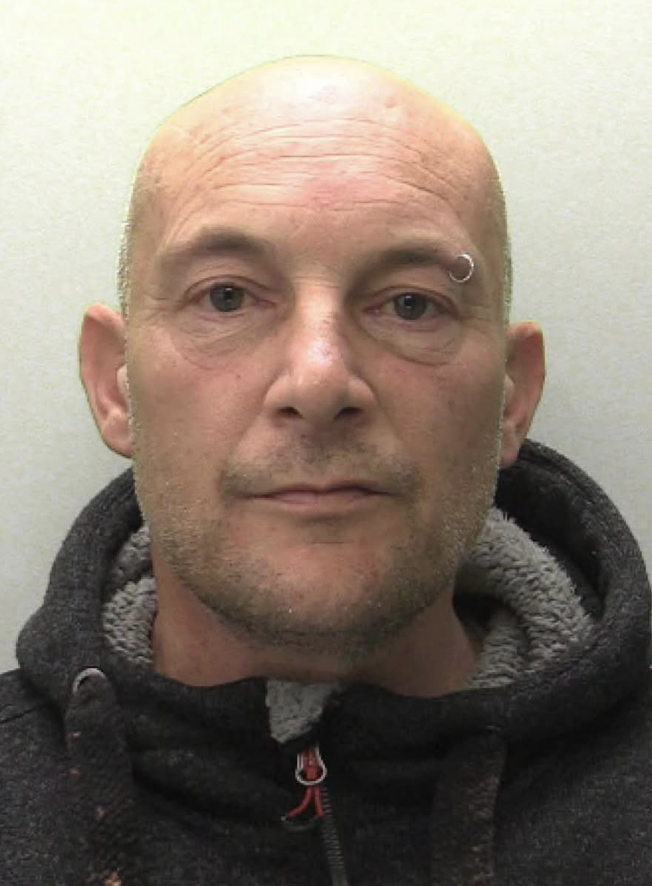

Former BBC presenter Huw Edwards has faced renewed criticism after it emerged he entered one of Wales’ most prestigious poetry competitions under a pseudonym less than two years after his conviction for child abuse image offences. Edwards, who was convicted in 2024 of possessing indecent images and prohibited images of children, submitted a poem to the National Eisteddfod’s Crown competition using the pen name “Y Gelyn”, which translates as “The Enemy.” His entry, described as a tribute to his late father, did not win the competition’s £750 prize.
Convicted in 2024
Edwards was convicted after admitting three counts of making indecent images of children and one count of possessing prohibited images. The court heard he had stored 41 indecent images and videos of boys aged between seven and 14 across multiple electronic devices. He received a six-month suspended prison sentence, was made subject to a seven-year Sexual Harm Prevention Order, and was placed on the sex offenders register for seven years.
Poem explored personal turmoil
According to reports, Edwards’ poem referred to himself as a “wayward son” and explored themes of personal struggle and inner conflict. Entries to the National Eisteddfod are submitted anonymously to ensure judges are unaware of competitors’ identities. A spokesperson for the National Eisteddfod said:
“Nobody, including the judges, know beforehand who has competed.”
Victims and abuse survivors criticise entry
The revelation has prompted criticism from abuse survivors and one of Edwards’ victims. Actress Sera Cracroft, who has spoken publicly about surviving child abuse, said she was disappointed by Edwards’ decision to enter the competition. She said:
“It’s far too soon for him to try and redeem himself.”
She added that it would have been “catastrophic” had he won the prestigious literary award. One of Edwards’ victims, who received inappropriate messages from him while he worked at the BBC, also criticised the move. The victim said:
“Has this man no shame? After everything he has done he should just disappear.”
Anonymous judging process
The National Eisteddfod reiterated that all entries are judged anonymously, meaning neither judges nor organisers know the identity of competitors until after the judging process has concluded. Edwards’ entry was unsuccessful and did not feature among the prize winners.
Originally published by UKNIP.