
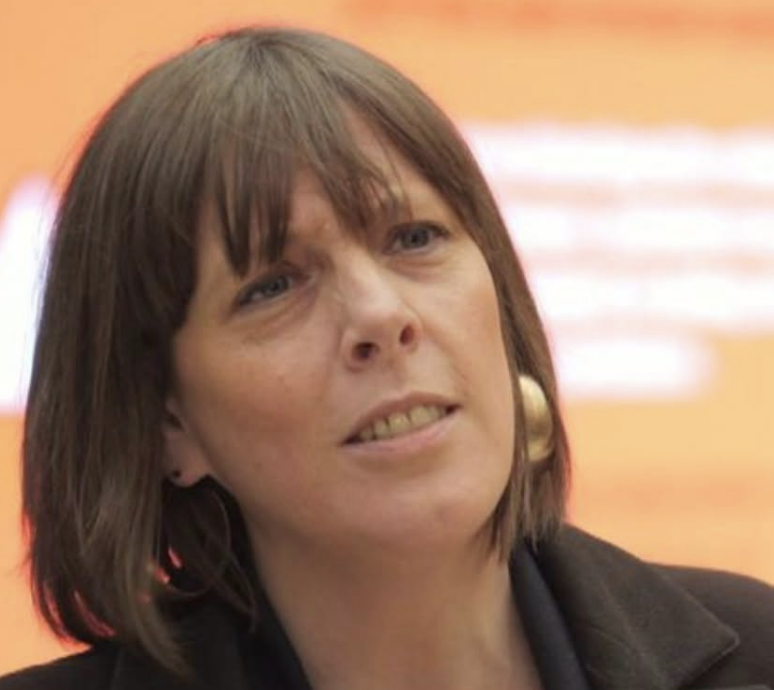
Fresh scrutiny is being placed on Birmingham’s handling of child sexual exploitation after campaigners raised questions over a controversial report commissioned more than three decades ago. The research was carried out by Dr Jill Jesson after Birmingham City Council asked her in 1990 to examine concerns involving girls in the authority’s care. Dr Jesson has previously said her work identified serious safeguarding failures and information linking some private hire drivers to the sexual exploitation of vulnerable girls. She later alleged that references to ethnicity and the private hire trade were removed from her research and that copies of the original report were ordered to be destroyed. Birmingham City Council has previously disputed claims that the findings remained permanently suppressed, saying the report was discussed publicly in 1995 and that the version it located in its archives was the full report. Council records also show that a motion calling for a full inquiry into the handling of the research was debated and rejected that year.
Questions over treatment of children in care
The Jesson research examined girls aged between 13 and 17 who were in Birmingham City Council’s care. Historical reporting on the research described children being sexually exploited while professionals struggled to respond effectively, with some young victims at the time being treated as offenders under prostitution laws rather than recognised as victims of child sexual exploitation. Dr Jesson later said the care system was failing to meet the children’s needs and criticised the quality of record-keeping and safeguarding arrangements. The terminology used at the time frequently referred to child “prostitution”. Today, safeguarding authorities recognise that children cannot consent to their own sexual exploitation and should be treated as victims. A Birmingham council scrutiny review published years later acknowledged continuing concerns around the identification and protection of children subjected to exploitation.
Birmingham facing current CSE investigations
The controversy has resurfaced as Birmingham deals with a significant number of current child sexual exploitation investigations. Figures presented to councillors in September 2026 showed 98 live CSE investigations, including six described as group-based, while 143 children were identified as experiencing or being at high risk of sexual exploitation. The figures underline that child sexual exploitation in Birmingham is not solely a historic safeguarding issue. Campaigner Raja Miah has argued that the historic Jesson material and the current cases should form part of the examination of institutional responses in Birmingham. He has also made a series of allegations about politicians, police and council officials. Some of those claims — including suggestions that politicians deliberately protected offenders for electoral reasons — are allegations for which no supporting evidence has been established in the material reviewed by UKNIP.
Birmingham included in national inquiry
The wider national statutory inquiry into grooming gangs was formally established in 2026 following Baroness Louise Casey’s national audit of group-based child sexual exploitation. The inquiry is chaired by Baroness Anne Longfield and has powers under the Inquiries Act 2005 to compel evidence and examine institutional and systemic failures. Birmingham is among the areas now facing scrutiny over how authorities responded to child sexual exploitation and whether opportunities to protect vulnerable children were missed. The inquiry’s remit includes examining the actions of councils, police and other organisations responsible for safeguarding children.
Originally published by UKNIP.