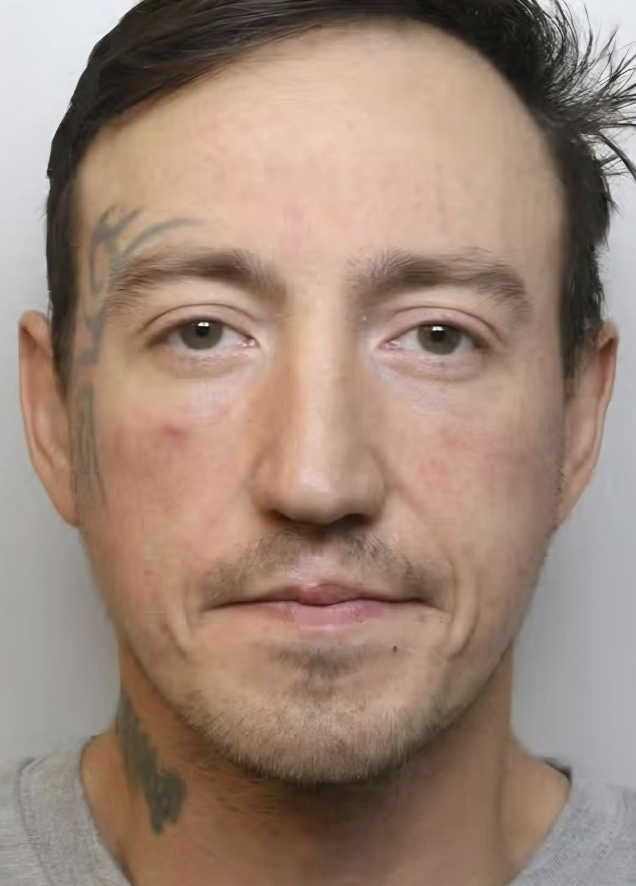


Swede Jailed for Sending Deadly Homemade Bomb to London Bitcoin Firm
A Swedish man has been handed a six-and-a-half-year prison sentence for sending a home-made bomb to a Bitcoin company in London. Jermu Michael Salonen, 43, from Gullspång, Sweden, targeted Cryptopay staff at their Hackney office, sparking a cross-border investigation between the Met Police and Swedish authorities.
Bomb Nearly Detonated in London Office
The terrifying episode unfolded on 8 March 2018, when an unsuspecting employee started to open a padded envelope containing a viable bomb. Luckily, suspicion kicked in before the parcel was fully opened, preventing a possible fatal explosion.
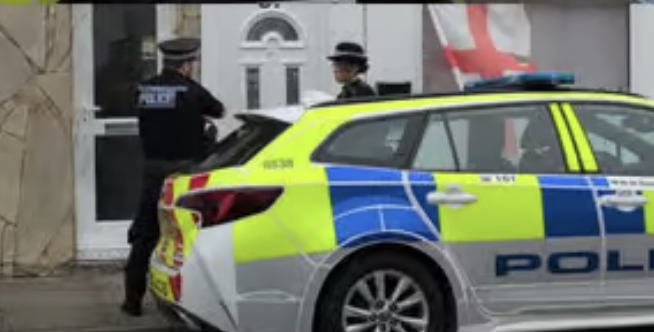
The employee immediately contacted police. Specialist bomb disposal officers were called in to safely defuse the device. The Met Police Counter Terrorism Command took over the probe, swiftly launching a full-scale investigation.
Unopened Package Sat for Months Before Discovery
Detectives learned the parcel had actually arrived months earlier, around November 2017. Though Cryptopay no longer operated from the Hackney office block, they previously used an accountancy firm there, so the package stayed untouched for five months.
Forensic experts found multiple DNA samples on the bomb parts. None matched UK records. Police reached out to Interpol to check DNA databases across Europe.
DNA Leads to Salonen’s Arrest in Sweden
Interpol’s help paid off. The DNA matched Salonen, already on Swedish authorities’ radar. He was arrested on 12 May 2018 amid suspicions of sending other malicious packages, including a letter with harmless white powder sent to a London businessman.
Swedish police, with UK team support, raided Salonen’s home, uncovering numerous bomb-making components. The motive? A petty grudge: in August 2017, Salonen’s request to Cryptopay to reset his account password was denied due to privacy policies.
Official Reaction and Sentencing
Salonen was convicted in Sweden of attempted murder for the bomb mailing and received a further six-month sentence for multiple malicious letters.
Commander Clarke Jarrett, head of the Met Police Counter Terrorism Command, said: “Salonen made and sent a device capable of causing serious harm or death over something as trivial as a password change.”
“It was sheer luck the bomb didn’t detonate – the recipient opened the parcel awkwardly, avoiding activation. Our specialist officers disarmed the device and, working fast with Interpol, we identified Salonen within a month.”
“We helped Swedish authorities with key evidence and witness support to bring this dangerous offender to justice.”