A paramedic from Sittingbourne has been honoured for her bravery and swift action during a violent stabbing incident outside the Queen’s Head pub in Boughton-under-Blean.
Emma Bareham, a Hazardous Area Response Team (HART) paramedic with nearly seven years of experience, was en route to a call in March when a car urgently flagged her down. Inside was Adam Pritchard, a father of three, who had suffered serious stab wounds.
Despite the chaotic and dangerous circumstances, Emma immediately took charge. With no time to lose, she contacted her team leader but had to act quickly at the scene. She directed bystanders to retrieve essential medical equipment from her ambulance and administered critical care under intense pressure.
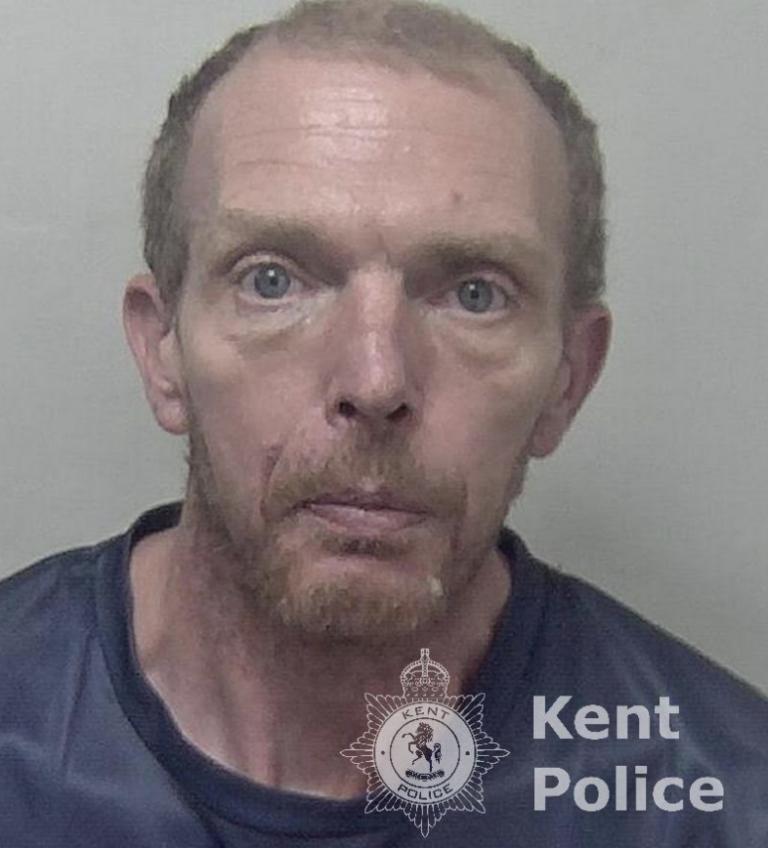
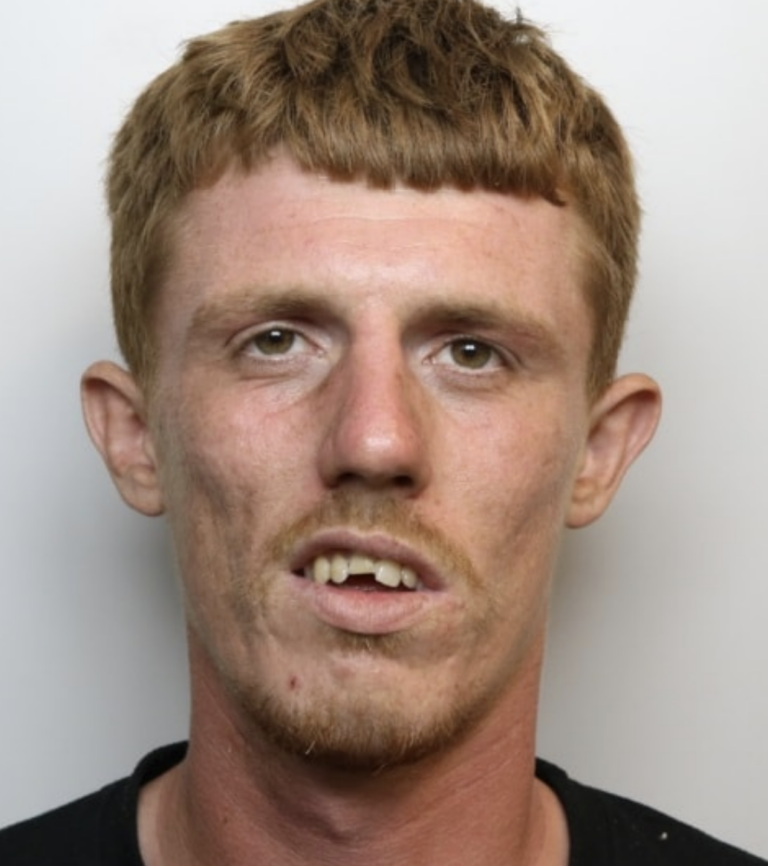
Tragically, Adam’s injuries proved fatal. His attacker, William Cosier, has since been sentenced to life imprisonment for murder.
Emma’s courageous actions were formally recognised at the South East Coast Ambulance Service (SECAmb) awards held on November 7. She was presented with the Acting with Courage Chief Executive Commendation, which honours fearless service in dangerous situations.
HART team leader Martin Stamp commented, “She was on her own in a traumatic, chaotic situation with personal risk involved, yet she created order out of chaos and provided the highest level of care.”
Emma said, “It’s a real privilege to be recognised alongside such amazing colleagues. I’m incredibly proud to work with a team that shows such dedication, courage and compassion every day.”
The awards ceremony in Maidstone also celebrated 20 ambulance workers for long service milestones, including 20 and 30 years in the NHS, as well as volunteers marking 10 years of dedication.
SECAmb chief executive Simon Weldon praised all the honourees, stating, “I am in awe of the great work that takes place daily. I am deeply grateful for the dedication of every staff member and volunteer serving our communities.”
Emma Bareham’s award highlights the courage and resilience of frontline emergency responders across Kent and the South East, underscoring the lifesaving work often carried out away from public view.
Originally published by UKNIP.