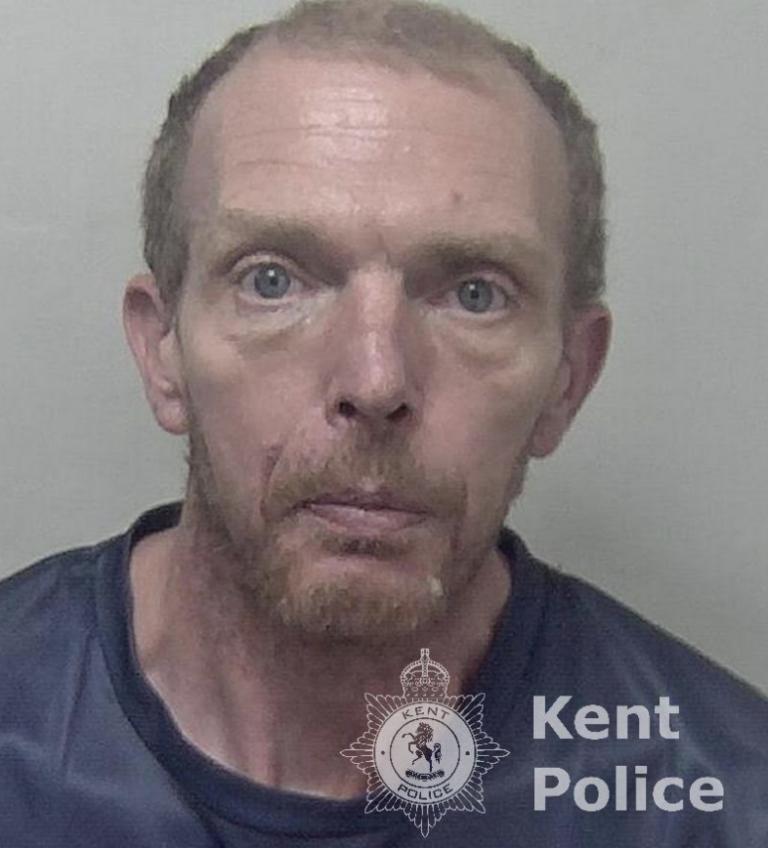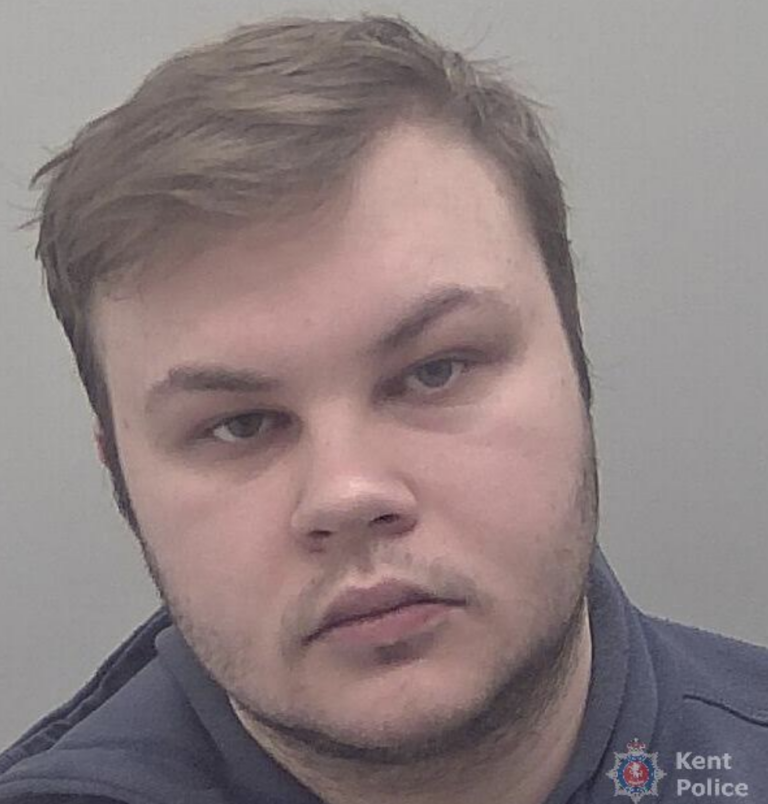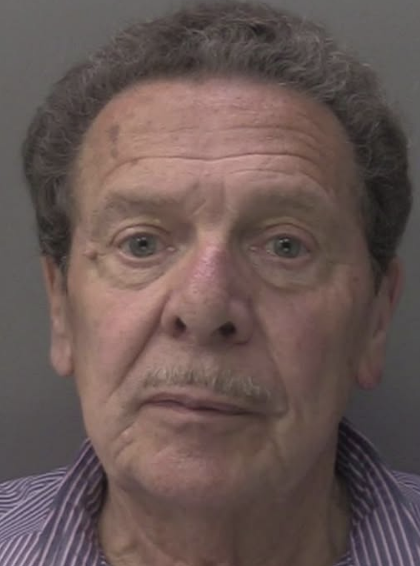

James Riley, a former Preston police officer, has been sentenced to 16 years in prison after admitting to attempted murder at Manchester Crown Court. The violent incident occurred at a hotel on Brook Street in Manchester last November.
Greater Manchester Police responded to urgent welfare concerns for a woman in her 20s on 10 November 2022. Emergency crews found her fighting for her life and rushed her to hospital, where she was placed in an induced coma. Fortunately, she woke the next day but continues to face ongoing injuries from the brutal assault.
Following the attack, off-duty Riley made a 10-minute call to his family before anonymously dialing for an ambulance and fleeing the scene. He attempted to evade arrest by crashing his car nearby and then travelling by buses, taxis, and even hitchhiking to Lancashire. CCTV footage showed him withdrawing cash and discarding his phone in an effort to avoid capture.
A large-scale manhunt involving specialist officers from three police forces in the North West led to Riley’s arrest in West Yorkshire in the early hours. Lancashire Police immediately suspended him, launched internal investigations, and subsequently dismissed him without notice. Riley has also been blacklisted by the College of Policing.
Detective Sergeant Heidi Cullum of Greater Manchester Police’s Major Incident Team said, “We hope the victim can now begin to move on, knowing Riley is behind bars and won’t hurt anyone else.” She praised the cooperation between Lancashire and West Yorkshire police forces in swiftly apprehending Riley.
Detective Superintendent Zoe Mainey, Head of Professional Standards at Lancashire Police, stated, “Riley’s behaviour fell far short of police standards. We are committed to tackling domestic abuse and holding offenders accountable. Our swift action in dismissing him shows we take these allegations seriously.”
Lancashire Constabulary condemned Riley’s actions and extended support to the victim and all those affected. The force reaffirmed its dedication to protecting victims and maintaining public trust in policing.
Originally published by UKNIP.