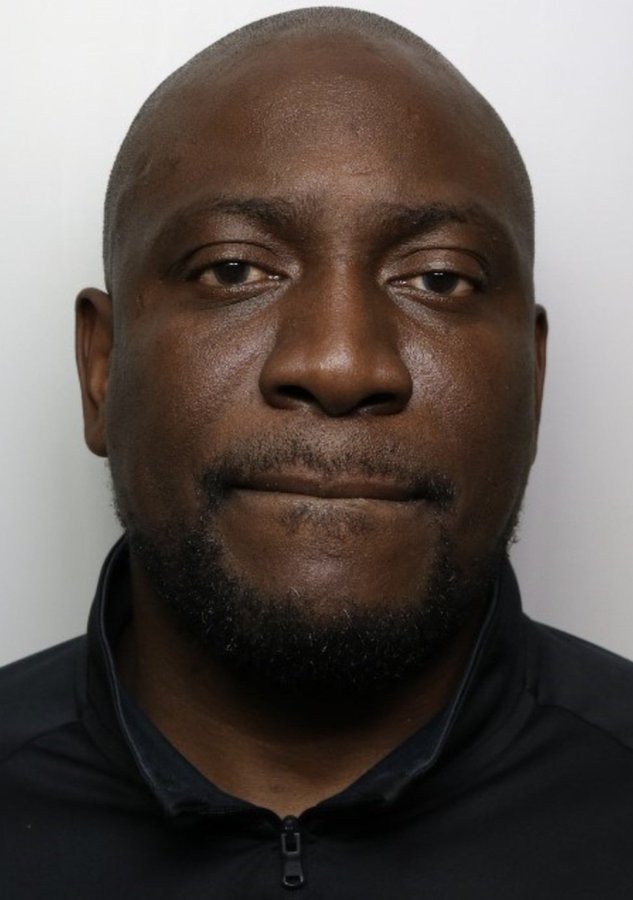
Oscar Pistorius, the former Olympic runner famously known as ‘Blade Runner’ for his carbon-fibre prosthetics, is set to be released on parole today from Atteridgeville prison in Pretoria. This development comes almost 11 years after Pistorius shot and killed his girlfriend, Reeva Steenkamp, in an incident that sent shockwaves around the world.
The exact time of his release has not been disclosed for security reasons. As part of his parole conditions, Pistorius will be prohibited from speaking to the media or granting interviews. These conditions will remain in effect until the completion of his sentence in 2029.
In addition to the media ban, Pistorius is required to undergo therapy for anger and gender-based violence issues, refrain from alcohol and drug use, perform community service, and adhere to a curfew.
The tragic event unfolded on Valentine’s Day in 2013 when Pistorius, claiming he mistook Steenkamp for an intruder, shot her four times through the locked bathroom door of his home. The prosecution, however, argued that he killed her in a jealous rage following an argument.
Initially convicted of culpable homicide, Pistorius was sentenced to five years in prison. However, on appeal, his verdict was overturned, and he was found guilty of murder, receiving a 13-year jail term in 2017.
Several previous attempts to reduce his sentence or secure parole were unsuccessful until the Constitutional Court ruled in October that he had served the minimum required period, making him eligible for parole.
While Reeva Steenkamp’s mother, June, did not object to Pistorius’ release, she expressed doubt about his honesty and remorse regarding her daughter’s death. She questioned his full rehabilitation and opposed his ability to own firearms again.
The decision to grant Pistorius parole has triggered mixed reactions in South Africa and worldwide. Some have shown sympathy for his disability, while others condemn him for his crime. Criticisms have also arisen regarding the fairness of the justice system and its alleged leniency towards wealthy and famous offenders.
Oscar Pistorius’ case remains one of South Africa’s most high-profile and controversial legal battles, sparking global awareness and debates on issues like domestic violence, gun control, disability rights, and race relations within the country.