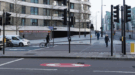
The zone will be officially extended to the entirety of London on August 29 in an effort to improve air quality. Except for Christmas Day, the scheme will operate every day of the year. It is currently limited to the North and South Circular roads, but will soon cover all of Greater London. TfL estimates that on an average day, approximately 160,000 cars and 42,000 vans using London’s roads would be subject to the £12.50 Ulez fee. However, transportation officials hope that the ULEZ scheme will encourage tens of thousands of those drivers to switch to vehicles that meet minimum emissions standards or to use alternative modes of transportation such as walking, cycling, or public transportation. In 2023, the ULEZ will be expanded to cover the entire city of London. The amount of nitrogen dioxide emitted by a vehicle determines whether or not it is subject to the charge. Diesel cars and vans registered after 2016 can avoid the charge, while most petrol models registered before 2006 are exempt. Drivers can check the status of their vehicle on TfL’s website by entering its registration number. In response to the decision to expand the ULEZ, Mayor Khan stated that air pollution is making Londoners “sick from cradle to grave,” causing illnesses such as cancer, lung disease, dementia, and asthma. “Expanding the Ulez London-wide was not an easy decision.” “It would have been easy for me to kick the can down the road.” “However, in the end, public health takes precedence over political expediency.” The mayor also stated that rising living costs were a “key consideration” in his decision to implement the proposal, which was featured in a public consultation between May and July. As a result, he introduced measures such as a £110 million scrappage scheme to assist low-income Londoners, disabled people, small businesses, and charities in scrapping or retrofitting non-compliant vehicles. TfL has also confirmed that bus services in outer London will be greatly expanded.