Navigating the intricacies of tax codes can be a daunting task for many employees. Your tax code determines how much income tax is deducted from your salary, and even a minor error could leave you paying more than your fair share—or not enough, leading to unexpected tax bills later on.
A tax code is used by an employer or pension provider to calculate how much Income Tax to take from an individual’s pay or pension. The most common one is 1257L, based on the Personal Tax Allowance of £12,570 – this is the amount you can earn before you start paying tax.
Why Checking Your Tax Code Is Crucial
Ensuring your tax code is correct is essential to avoid overpaying or underpaying taxes. If you’ve overpaid, you may be eligible for a refund. Conversely, if you are on a lower tax rate than you should be, you may owe money to HMRC.
Workplace expert Sophie Rhone from Digital PR Lab advises: “Keeping an eye on your tax code and understanding its implications is essential for managing your finances effectively. Mistakes can happen, but by staying proactive and informed, you can catch errors early, avoid unexpected bills, and ensure you’re not paying more than you should.”
How to Check Your Tax Code
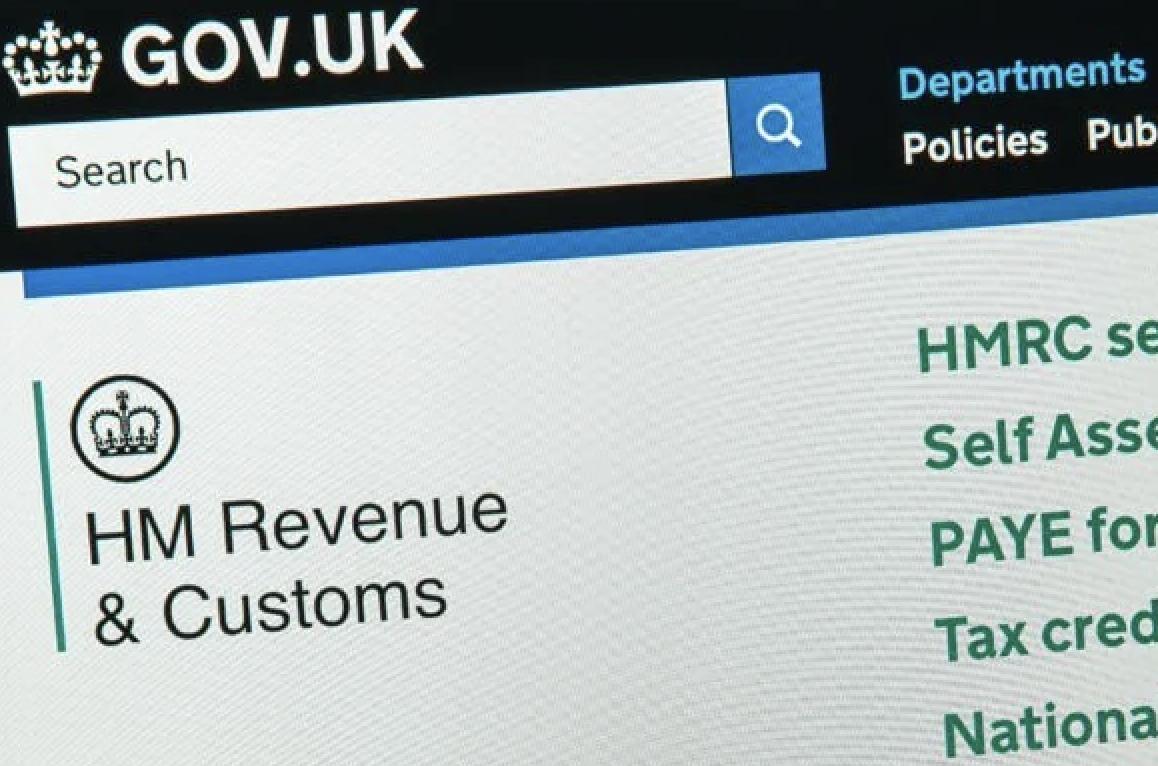
You can find your tax code on your latest payslip or on your P45 if you recently left a job. You can also check it on the official government website at gov.uk/tax-codes after registering for a Government Gateway ID.
Common Tax Code Letters and Their Meanings
Letters in an employee’s tax code refer to their situation and how it affects their Personal Allowance. The most common letters and what they signify are:
- L: For an employee entitled to the standard tax-free Personal Allowance.
- S: For an employee whose main home is in Scotland.
- BR/SBR: For a second job or pension, where tax is deducted at the basic rate.
- M: For an employee whose spouse or civil partner has transferred some of their Personal Allowance.
- N: For an employee who has transferred some of their Personal Allowance to their spouse or civil partner.
- T: When HMRC needs to review some items with the employee.
For a full list of tax code letters and their meanings, visit the GOV.UK website.
How to Claim Back Overpaid Tax
If you believe you are on the wrong tax code, you can contact HMRC at 0300 200 330 or speak to an advisor via their live chat service. HMRC will inform your employer to correct your tax code, and any overpaid tax will be refunded in your next payslip.
If you’ve been overpaying for some time, you can also claim back up to four years of overpaid taxes.
By regularly checking your tax code, you can stay on top of your finances, avoid potential mistakes, and ensure you are paying the correct amount of tax.