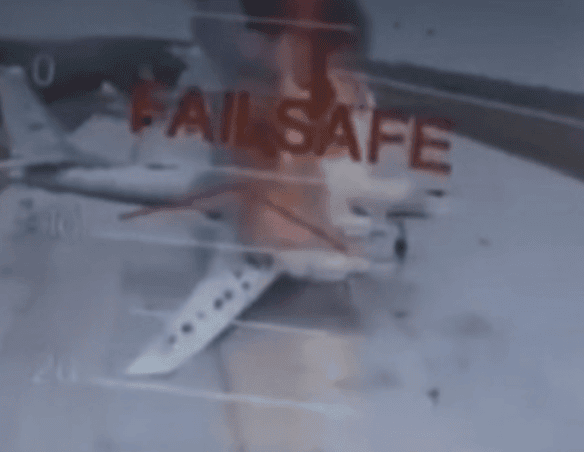
A high-risk Ukrainian drone operation codenamed “Spider’s Web” struck deep inside Russian territory on May 31, destroying or damaging more than 40 long-range bombers across four airbases. The estimated cost of the losses exceeds $2 billion, delivering one of the most severe blows to Russia’s strategic air capability since the war began.
The attack comes just hours before Ukraine and Russia are due to meet in Istanbul for renewed peace negotiations aimed at reaching a 30-day ceasefire agreement.
Operation ‘Spider’s Web’: Aerial Ambush Deep Inside Russia
Ukrainian intelligence service SBU, with President Volodymyr Zelenskyy’s direct oversight, orchestrated the coordinated strikes on airbases in Murmansk, Irkutsk, Ivanovo, Ryazan, and Amur. The operation targeted nuclear-capable Tu-95, Tu-22M3, and A-50 early warning aircraft.
Ukrainian sources told Sky News that the drones had been smuggled into Russia over an 18-month period, positioning the attack as a long-planned tactical move. Footage circulating on X (formerly Twitter) shows plumes of black smoke rising from airfields, contradicting Russia’s initial claims that no damage occurred.
A cryptic post from Zelenskyy’s chief of staff, Andriy Yermak, featuring only a spider web emoji, confirmed the codename and sent social media into overdrive.
Russia Denies Damage But Online Evidence Tells Another Story
Russia’s Ministry of Defence dismissed the attack as a “failed terrorist provocation,” claiming all drones were intercepted. However, pro-Russian military bloggers acknowledged damage to aircraft at Siberian bases, particularly the Olenya airbase, over 1,700 km from Ukraine.
Satellite imagery and user-uploaded content on X and Telegram challenge the Kremlin narrative, showing scorched runways and visibly damaged aircraft. One viral post read:
“Ukraine’s drones are rewriting the war’s rules.”
Istanbul Peace Talks: Critical Juncture or False Hope?
Despite the escalation, Ukraine and Russia will meet in Istanbul at 11:00 AM UK time on June 1 for preliminary talks at the Çırağan Palace. Led by Ukrainian Defence Minister Rustem Umerov, Kyiv’s delegation will propose a 30-day ceasefire, a prisoner exchange, and groundwork for leader-level discussions.
Zelenskyy has hinted at readiness for a face-to-face meeting with Vladimir Putin, though the chances remain uncertain.
Russia’s delegation reportedly departed for Turkey on Saturday evening. The international community is watching closely, with UN Secretary-General António Guterres and Turkish President Recep Tayyip Erdoğan urging both parties to prioritise humanitarian outcomes.
Strategic Implications of the Strike
| Key Impact | Details |
|---|---|
| Aircraft Losses | Over 40 bombers struck, damaging Russia’s nuclear-capable fleet |
| Cost Estimate | $2bn in aircraft and base damages |
| Psychological Blow | Demonstrates Ukraine’s reach inside Russia, 1,700+ km away |
| Political Pressure | Heightens urgency around Istanbul peace talks |
Social Media Reaction: “SpiderWeb” Trends Globally
Social media has played a central role in shaping the narrative. Hashtags like #SpiderWeb and #UkraineStrikesBack trended worldwide, with both Ukrainian and international users praising the strike’s precision and daring.
Meanwhile, concerns over further retaliation prompted analysts to caution against overconfidence.
“One strike doesn’t end a war—but it can reshape one,” tweeted geopolitical analyst Anna Leshenko.
Context: Escalating Conflict in 2025
The May 31 strike marks a new high point in Ukraine’s long-range drone capabilities. It follows months of bridge collapses in Bryansk and Kursk, and previous strikes on refineries and ammunition depots. The drone war has shifted from tactical defense to strategic disruption, and Ukraine’s use of deep-cover assets signals a maturing intelligence infrastructure.
In April 2025, Ukrainian drones reached St. Petersburg, and analysts believe AI-assisted navigation and decentralized launch systems are boosting effectiveness.
Conclusion: A Game-Changer Before Peace?
The “Spider’s Web” operation sends a clear message: Ukraine can strike where Russia feels most secure. While the upcoming Istanbul peace talks may offer a brief diplomatic pause, the war’s trajectory has been fundamentally altered.
Whether this bold act will force Russia to negotiate seriously or escalate the war remains to be seen.