
.While a successful operation was carried out to extract embassy staff and their dependants, there has been no announcement of a broader evacuation plan. Foreign office minister Andrew Mitchell defended the extraction, stating that there had been a specific threat to the diplomatic community.
However, concerns have been raised about the perceived lack of response to the needs of British citizens in Sudan. Lawmaker Tobias Ellwood has called for a “clear-cut plan” to get British passport-holders out, warning that unless such a plan emerged soon, individuals may start making their own way back, which could lead to some very difficult situations.
One British citizen, Abdelsalaam Abdelmoneim, from Cambridge, is currently stuck in Khartoum after visiting for the winter and to mark Ramadan. His son, Javid Abdelmoneim, a doctor currently working in Malawi, has criticized the lack of UK government action and has said that his father turned down two opportunities to leave in convoys with other family members because he was waiting for the British government. Similarly, Iman Abugarga, also in Khartoum, said she felt abandoned by the UK government and that the situation was shameful.
There have been around 2,000 British passport-holders who have contacted the UK authorities to register their presence in Sudan. While the government has said it is working “round the clock” to evacuate UK citizens, criticism remains over the lack of a clear plan for evacuations. Mitchell has said that the “only advice that Britain can give to people is to stay indoors because that is the safe option”.
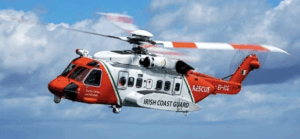
The UK forces, alongside the US, France, and other allies, carried out a military operation to extract embassy staff and their families. Prime Minister Rishi Sunak has confirmed that all but one embassy staff member and their dependants have now been taken out of Sudan. The government has also said it is continuing to pursue every avenue to end the bloodshed in Sudan and ensure the safety of British nationals remaining in the country.