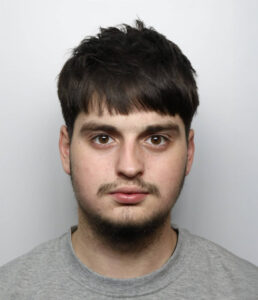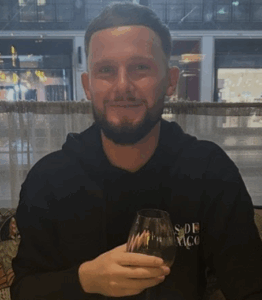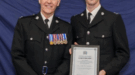

A Scotland Yard marksman, Sergeant Martyn Blake, 40, has been acquitted of murder after shooting 24-year-old Chris Kaba in a dramatic police operation in Streatham, South London, on September 5, 2022. The verdict was delivered today at the Old Bailey, where the jury unanimously cleared Blake of the charges following a three-week trial.
The Incident and Trial
The court heard that armed police were pursuing an Audi Q8, which had been identified as a getaway vehicle used in a gang-related shooting the night before in Brixton. Kaba, the driver, attempted to evade police, reversing and ramming the vehicle into other cars as officers surrounded him. Blake fired the fatal shot, claiming he believed his colleagues’ lives were at immediate risk.
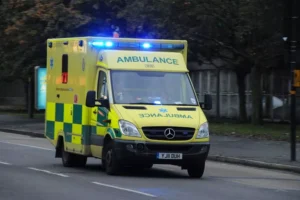
Dramatic footage released by the Crown Prosecution Service (CPS) showed the chaotic scenes unfolding from multiple bodycam angles. Officers shouted commands for Kaba to show his hands as the Audi revved back and forth, attempting to escape. A shot was then fired through the windscreen, followed by shouts of “shots fired” and calls for first aid.
Prosecutor Tom Little KC argued that Blake had misjudged the threat, exaggerating the danger his colleagues faced. However, Blake’s defence, led by Patrick Gibbs KC, emphasized the split-second nature of his decision, arguing that he acted to protect his fellow officers.
Commissioner’s Response and Community Reactions
Following the acquittal, Metropolitan Police Commissioner Sir Mark Rowley defended his officer, stating: “No firearms officer sets out on duty intent on ending a life. Their sole purpose is the protection and preservation of life. The jury’s decision affirms that Sgt Blake acted on an honestly held belief in a split-second situation.”
Rowley acknowledged the impact on the Black community, emphasizing the importance of rebuilding trust: “We understand that incidents like these place further strain on already challenged relationships. There remains much for us to do to strengthen confidence in our service.”
Chris Kaba’s family, devastated by the verdict, expressed their grief, stating: “The not guilty verdict leaves us with the deep pain of injustice adding to the unbearable sorrow we have felt since Chris was killed. Our son deserved better.”
The Justice for Chris Kaba campaign condemned the decision, arguing it highlighted systemic issues. “This outcome reinforces the harsh reality that police can kill without consequence. No one can be safe while the police can kill with impunity,” campaign leaders Temi Mwale and Kayza Rose said.
Future Implications and Investigations
Despite Blake’s acquittal, the Independent Office for Police Conduct (IOPC) has confirmed that a disciplinary hearing will proceed to determine whether he should face further consequences. IOPC Director Amanda Rowe stated, “Our role is to independently investigate fatal police shootings. Today’s verdict is respected, but we remain committed to ensuring accountability.”
Blake’s case has already sparked significant unrest among firearms officers. Following the decision to prosecute, hundreds of officers briefly downed tools in protest, prompting Scotland Yard to put the Army on standby. The Met has since reported difficulties in recruiting armed officers, with a drastic drop in applicants for these roles.
The controversy has also led to a Home Office review of how armed officers are held accountable. Conservative MP Robert Jenrick voiced his support for Blake, criticizing the prosecution: “Martyn Blake, the firearms officer cleared today, was a hero who found himself fearing for his life and the life of his colleagues. His prosecution was wrong and endangered the public.”
The Broader Debate Over Police Accountability
The debate over how police marksmen should be held accountable continues to escalate, particularly following several high-profile cases involving the use of lethal force by police. While fatal police shootings are rare—there were only three in 18,395 police firearms operations in England and Wales in the past year—officers express growing concerns over the scrutiny they face.

Blake, who had never fired his weapon at a person before the incident, has expressed uncertainty about his future in armed policing, a sentiment echoed by many colleagues. Without sufficient volunteers, experts warn the UK could face a shortage of trained firearms officers.

Chris Kaba’s family has indicated they may pursue legal action against the Met, while campaign groups like INQUEST have renewed their call for systemic change. Director Deborah Coles stated, “It is difficult to reconcile the verdict with the evidence. Chris’ death is part of a systemic pattern where Black men are disproportionately killed by police. Real justice and accountability will only be achieved when these deaths stop.”

The case continues to spark protests and debates over police reform, accountability, and racial justice, underscoring the challenges facing the Metropolitan Police in maintaining public trust while protecting communities.