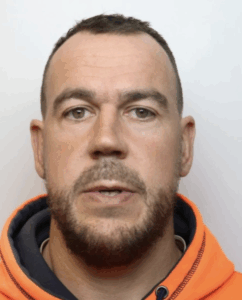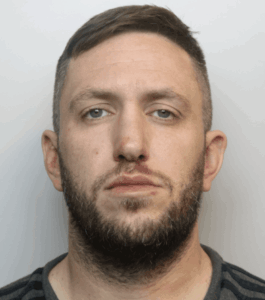

Two Lincolnshire Police officers have been cleared of misconduct after a panel ruled they acted appropriately during an incident that led to a woman’s tragic death. The case, described as “extraordinary and wrong,” has raised serious questions about the Independent Office for Police Conduct (IOPC) and its decision to direct the investigation.
The Incident
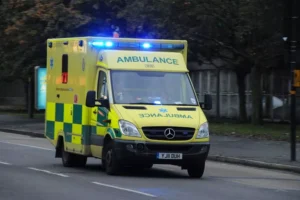
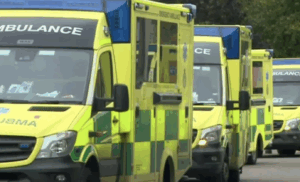
On 21 July 2022, Sergeant Connor Ingamells and PC Paige Thompson responded to a 999 call regarding a 44-year-old woman who was believed to have overdosed at a Skegness caravan park. Upon arrival, the officers relied on the East Midlands Ambulance Service (EMAS) paramedics, who assessed the situation and deemed it not life-threatening.
Body-worn camera footage revealed that the woman admitted suicidal thoughts but gave conflicting accounts of how much medication she had taken. The officers spent approximately 30 minutes at the scene, ensured she was not alone, and advised her friend to monitor her condition and call emergency services again if needed.
The Misconduct Panel
The misconduct hearing, held on 16 December 2024, dismissed all allegations against Sgt Ingamells and PC Thompson. The panel, chaired by Oliver Thorne, found that the officers had acted appropriately and within their professional duties.
Thorne stated:
“Nothing should have alerted them that EMAS’s assessment was wrong or inadequate. Therefore, there was no breach of standards.”
He added:
“It’s not sufficient to look with hindsight and say they should have acted differently.”
IOPC Investigation Questioned
The decision to pursue a misconduct hearing sparked widespread criticism. Hugh Davis, representing Sgt Ingamells, called the investigation “extraordinary and wrong,” arguing that it was driven by hindsight bias rather than the reality faced by the officers during a demanding shift.
“The decision-making has been led by looking backwards from the tragic outcome, not forwards from the reality of a demanding shift,” Davis said.
Similarly, Matthew Butts, representing PC Thompson, emphasised the expectation that officers must rely on medical professionals:
“It’s wrong for other emergency services to assume the police will do [their] duties.”
Systemic Pressures
The hearing highlighted the immense strain on both police and ambulance services, particularly during high-demand periods. Officers responding to medical emergencies often defer to trained paramedics, as they are not qualified to provide clinical assessments.
The case has reignited debates about the IOPC’s oversight and whether it unfairly holds frontline police officers accountable for outcomes beyond their control.
A Call for Fairness
The panel’s findings have underscored the need for proportionality and fairness in misconduct investigations, particularly where officers act in good faith under challenging circumstances.
This case serves as a reminder of the pressures faced by emergency service personnel and highlights the importance of balanced scrutiny. While the woman’s death is undoubtedly tragic, the panel’s decision reinforces that accountability must be fair and reasonable, avoiding retrospective blame for systemic issues.
Looking Ahead
With Sgt Ingamells and PC Thompson cleared, the case has sparked calls for a review of how the IOPC directs misconduct hearings. It also raises broader questions about support for emergency service workers who navigate high-pressure, multi-agency incidents every day.
The IOPC has yet to comment on the outcome of the hearing.