The closure of Pakistan’s airspace has triggered significant disruption across Indian aviation, forcing airlines to reroute flights and stretching flight times, costs, and operational capabilities — with the biggest hit falling on emerging travel routes to Central Asia and beyond.
The move, announced earlier this week, has already impacted IndiGo, India’s largest carrier, which canceled flights to Almaty and Tashkent, while departures to Tbilisi and Baku were heavily delayed. Flights that typically took around three to four hours have nearly doubled in duration, frustrating both airlines and passengers.
Central Asia Routes Most Affected
Low-cost routes to countries such as Kazakhstan, Uzbekistan, Azerbaijan, and Georgia — which have seen a surge in popularity among Indian travelers — are particularly vulnerable.
IndiGo confirmed to Skift that it had suspended flights:
- Delhi to Almaty from April 27 until at least May 7
- Delhi to Tashkent from April 28 until May 7
An IndiGo spokesperson said:
“Due to the closure of Pakistan’s airspace, circa 50 international routes operated by IndiGo will require longer sectors and hence may be subject to some slight schedule adjustments.”
Aviation analysts warn that longer flying times and additional fuel requirements could make several of these low-cost routes unviable. “These are low-cost routes that can’t absorb a two-hour detour. Some might not survive,” one analyst noted.
Long-Haul Flights to Europe and North America Disrupted
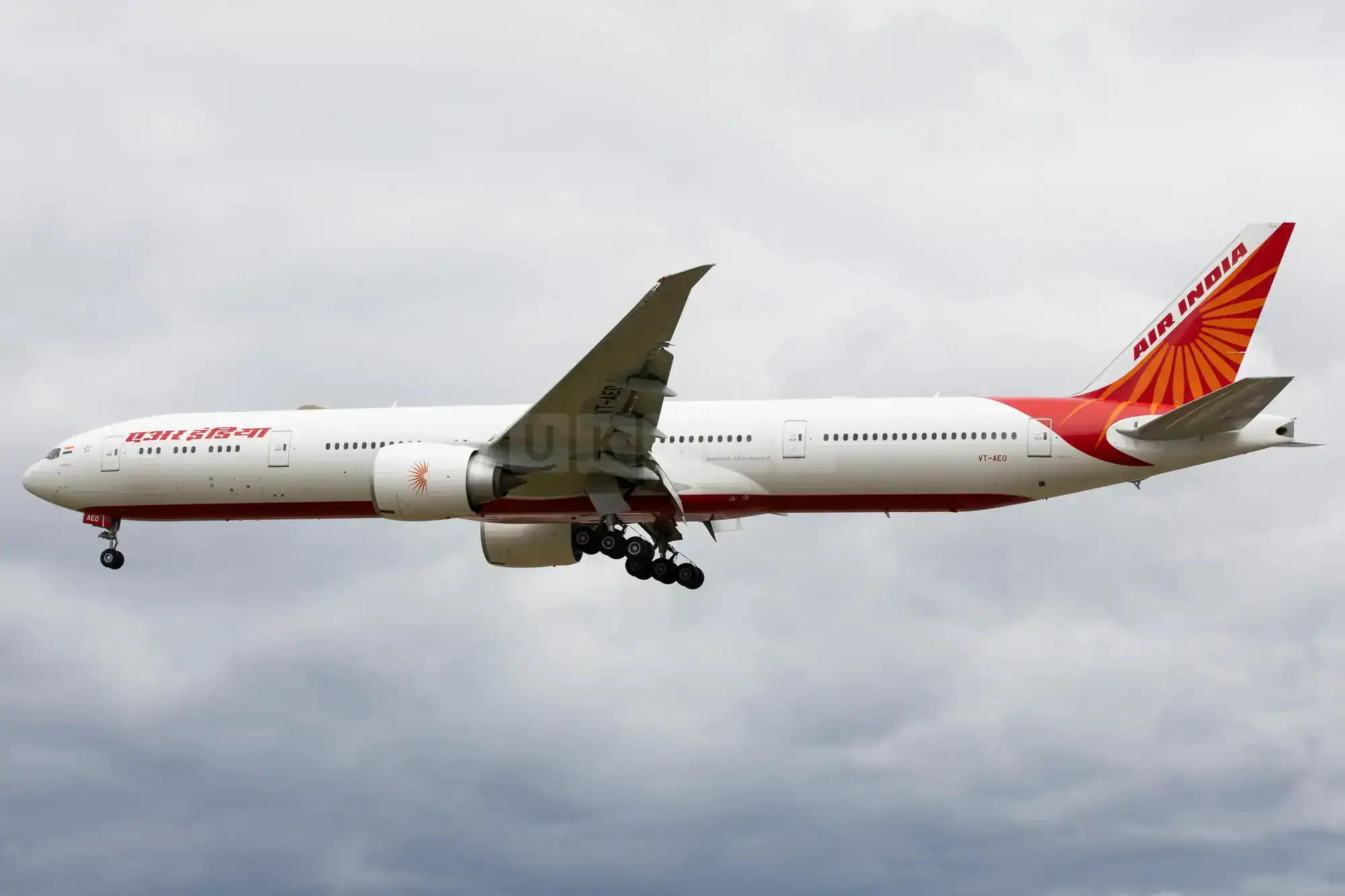
Flights heading to Europe and North America, particularly from Delhi, are also facing major disruptions. Air India flights to New York’s JFK, for example, are now making technical fuel stops in Vienna, adding significant delays.
A pilot from an Indian carrier said:
“Without access to Pakistani airspace, flights to the U.S. East Coast now involve major detours. Airlines either have to bump passengers to carry more fuel or make a tech stop.”
Flights from Mumbai are comparatively less affected, thanks to greater routing flexibility along the western coast.
Domino Effect Across Indian Aviation
The impact isn’t confined to the major international routes. Extended flying times are creating a ripple effect across domestic schedules, secondary international routes, and crew duty hours.
Ellis Taylor, Cirium Asia’s Dashboard Editor, explained:
“We are already seeing airlines reroute, which requires carrying extra fuel, longer transit times, and impacts schedules broadly.”
If the closure continues beyond the current NOTAM deadline of May 24, the financial strain on airlines could deepen, despite relatively softer fuel prices currently cushioning some costs.
Potential Opportunity for Middle Eastern Carriers
Some experts predict that longer-term disruptions could drive passengers toward Middle Eastern carriers such as Emirates, Qatar Airways, and Etihad, known for their efficient global hub connections. However, Taylor suggested that unless the closure drags on, Indian carriers’ existing long-haul advantages will largely hold.
Still, passenger preferences could shift if delays and inconvenience become normalized, potentially weakening India’s ambition to serve as a fast and affordable transit hub between East and West.
Broader Impact on Tourism
Beyond aviation, the wider tourism ecosystem—hotels, travel agencies, and local economies—stands to suffer. Central Asian destinations like Azerbaijan and Georgia, which recently ramped up efforts to attract Indian tourists, could see a sharp dip in visitor numbers.
While India’s overall passenger growth remains strong, analysts warn that prolonged geopolitical tensions could eventually deter both inbound and outbound travelers.
“Airlines might adjust, but if political uncertainty grows, tourists may simply avoid the region altogether,” a source said.
For now, the industry watches closely, hoping for a swift resolution to avoid long-term damage to one of the world’s fastest-growing travel markets.
Would you also like a shorter “key points” version or a timeline graphic to show how the disruption is unfolding? ?✈️