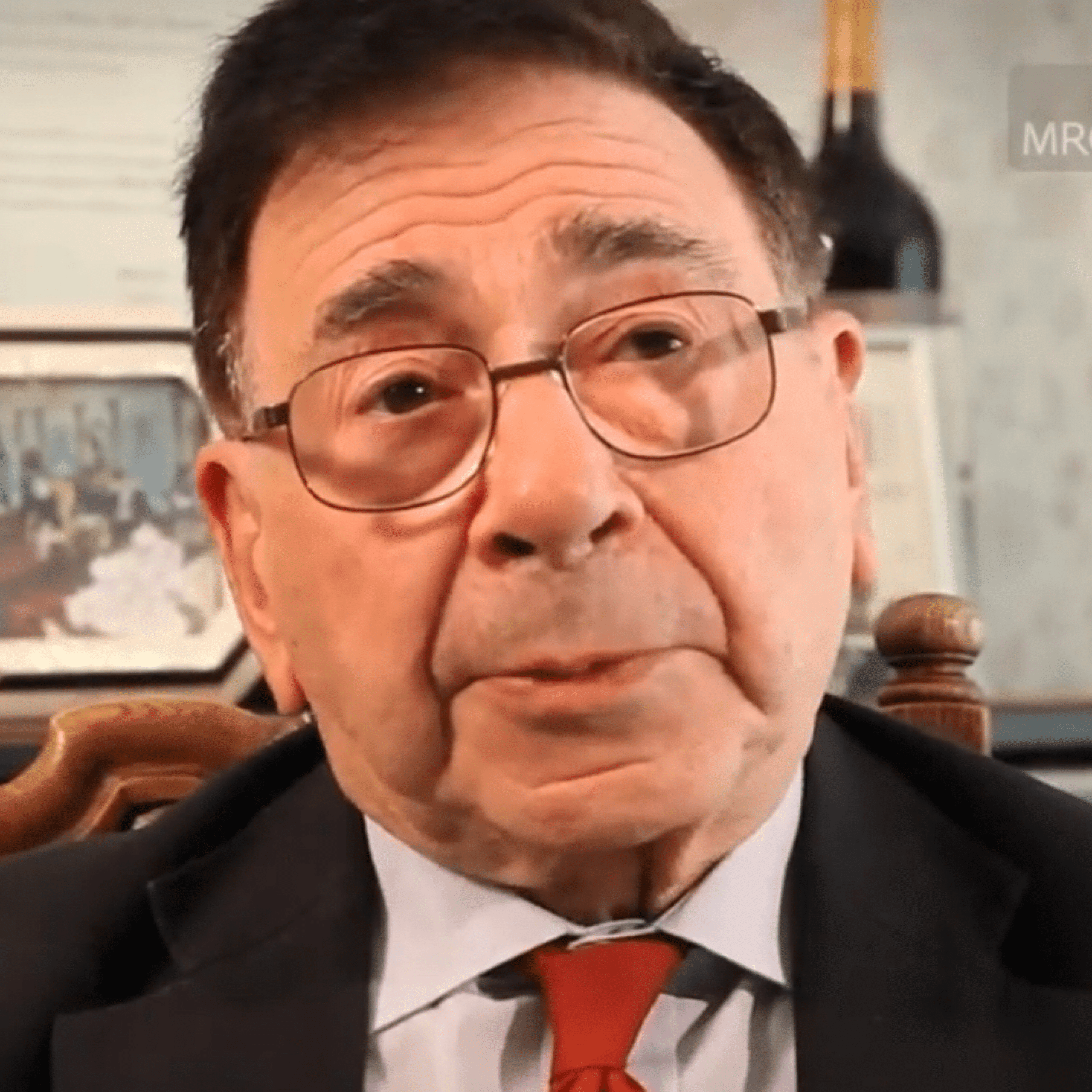
The world of medicine mourns the loss of a true pioneer and renowned surgeon, Professor Sir Roy Calne, who passed away at the age of 93, according to his family. Sir Roy, a visionary in the field of transplantation, leaves behind a legacy of groundbreaking achievements that have revolutionized the world of organ transplants.
In 1968, Sir Roy Calne etched his name in medical history when he led the first liver transplant operation in Europe at Addenbrooke’s Hospital in Cambridge. This milestone procedure marked a turning point in the field of organ transplantation, offering hope to countless individuals suffering from end-stage liver disease.
But Sir Roy’s contributions went beyond that historic surgery. In 1978, he became the first doctor to employ an immunosuppressant, a groundbreaking development that played a pivotal role in reducing organ rejection rates. His innovative work not only saved lives but also paved the way for future advancements in transplantation medicine.
Throughout his illustrious career, Sir Roy achieved a series of surgical “world firsts.” His pioneering spirit and unwavering commitment to pushing the boundaries of medical science led to numerous milestones in transplant surgery. His dedication was recognized by the Royal Society, and his impact on the field of medicine will be felt for generations to come.
Despite his many accolades and achievements, Sir Roy remained humble. He once remarked that he did not initially view the first liver transplant as a milestone but as just one step in the ongoing development of transplant procedures. His focus was always on improving patient care and advancing medical science.
During the early days of liver transplant surgery, Sir Roy faced opposition and challenges. He emphasized the importance of a supportive medical community and discouraged a culture of blame that could deter doctors from taking on complex cases. His enduring message was that doctors should do their best to treat patients with life-threatening diseases rather than assigning blame.
Although the first liver transplant patient sadly did not survive beyond two months after the operation, Sir Roy’s groundbreaking work laid the foundation for future successes in the field. His contributions continue to be celebrated, and his name graces the transplant unit at Addenbrooke’s Hospital, a testament to his “world firsts” in surgery.
Professor Chris Watson acknowledged Sir Roy’s role in establishing Cambridge as an international centre for excellence in transplant surgery. Today, Cambridge University Hospitals NHS Foundation Trust remains at the forefront of transplant procedures, performing over 350 abdominal organ transplants annually.
Sir Roy’s legacy extends beyond liver transplants. He performed Cambridge’s first kidney transplant in 1965 and Europe’s first liver transplant in 1968. His introduction of the immunosuppressant ciclosporin in 1978 significantly improved transplant outcomes. He continued to break new ground, conducting the earliest liver, heart, and lung transplant in 1987 and the UK’s first intestinal transplant in 1992. In 1994, he achieved another world first by successfully performing a multi-visceral transplant, combining the stomach, intestine, pancreas, liver, and kidney.
The loss of Professor Sir Roy Calne leaves a void in the medical world, but his pioneering spirit and contributions will continue to inspire future generations of medical professionals. His groundbreaking work has saved countless lives and offered hope to those in need, ensuring that his legacy lives on in the hearts of all those he touched.