H&M Introduces Online Return Fees Amid Growing E-commerce Returns Trend
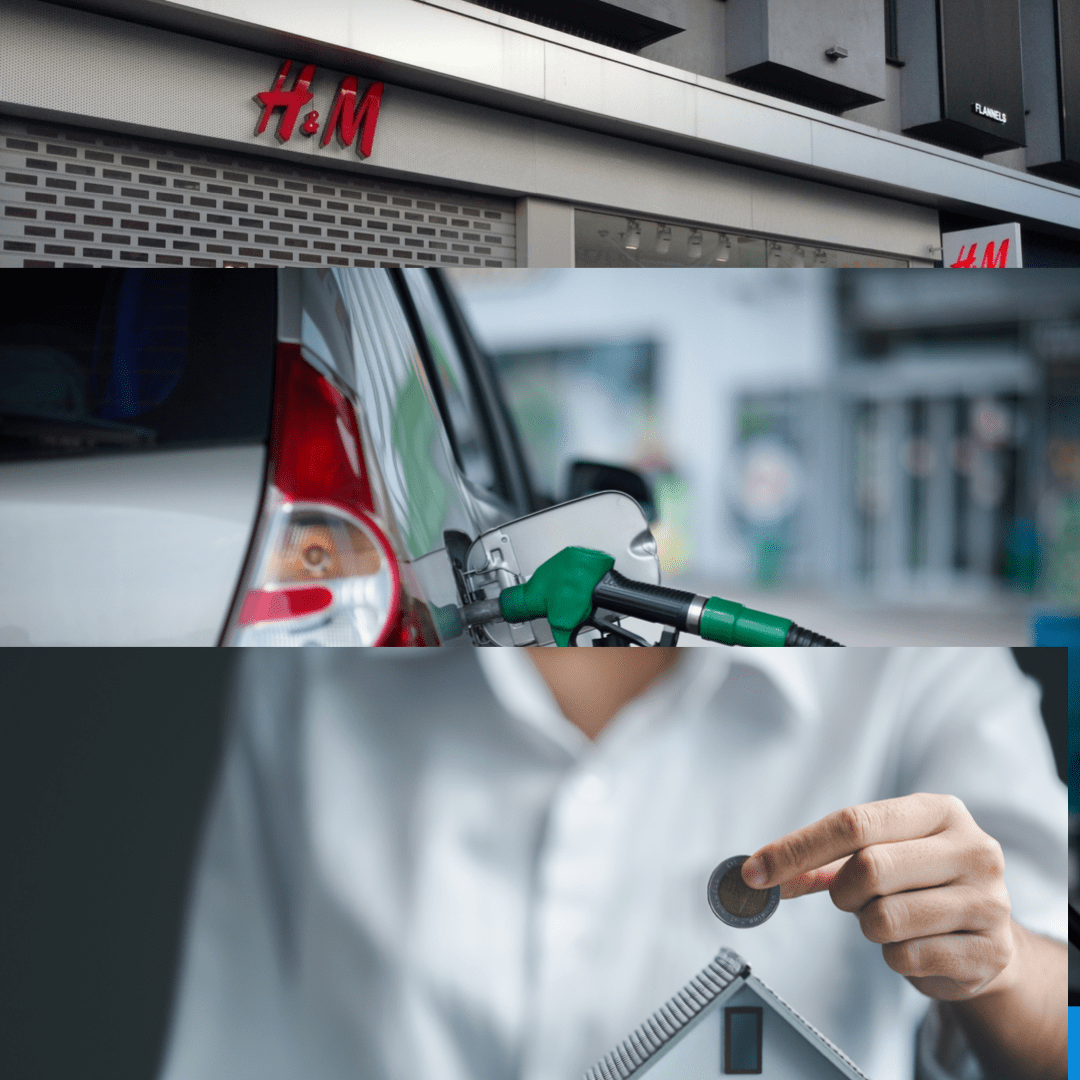
Fashion retailer H&M has joined the ranks of online retailers imposing fees on shoppers for returning items purchased online. Customers will now be charged £1.99 to return parcels, whether done in-store or online, with the cost deducted from their refund. Notably, returns will remain free for H&M members.
This move follows in the footsteps of other major retailers like Zara, Boohoo, Uniqlo, and Next, who have already implemented charges for online returns. An H&M spokesperson revealed that this policy change was introduced during the summer.
The rise of online shopping during the pandemic led to a substantial increase in the number of items being returned due to size discrepancies or unmet expectations. Retailers typically absorb the cost of online returns as a means of attracting and retaining customers. However, processing returned stock in warehouses can be time-consuming and costly for businesses.
Analysts predict that other retailers may follow H&M’s lead in charging for online returns as they seek ways to manage the growing volume of returns while also maintaining profitability.
Global Oil Prices Surge, Fuel Costs Expected to Rise
Global oil prices have surged to their highest level in ten months, with Brent crude, a benchmark for prices, exceeding $95 a barrel. This increase comes amidst concerns of shorter oil supplies, driven by a decision from Saudi Arabia and Russia to cut production. The International Energy Agency (IEA) has warned of a potential “significant supply shortfall” by the end of the year.
As a result, drivers are being cautioned about rising fuel costs. The RAC motoring group expressed concern, stating that UK drivers are “in for a hard time” at the pumps. Current figures show that UK drivers are paying an average of £1.55 per liter for petrol and £1.59 for diesel. Since the beginning of August, petrol prices have risen by 10p per liter, while diesel prices have increased by 13p.
Global oil prices have been fluctuating significantly since Russia’s invasion of Ukraine in February 2022. Prices reached over $120 a barrel in June last year but dipped to just above $70 a barrel in May. The recent increase comes as oil-producing nations, including Saudi Arabia and Russia, have taken steps to limit output.
UK Homebuyers Face Increasing Challenge in Saving for Mortgage Deposits
A new study by letting agent Barrows and Forrester reveals that the average UK homebuyer now requires almost 26 months of earnings to cover the cost of a 20% mortgage deposit. The research highlights the growing gap between house prices and salaries, making homeownership increasingly challenging for many.
In London, where property prices are significantly higher, it would take a staggering 37.2 months of earnings, assuming no spending on essentials like food and rent, to afford a deposit. Similar challenges exist in other regions, such as the South East, South West, and East of England.
James Forrester, Managing Director of Barrows and Forrester, characterised the situation as an “affordability crisis.” He noted that even individuals with competitive salaries are finding it difficult to afford both deposits and mortgage repayments, especially in regions with high housing costs like London and the South East.