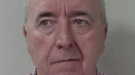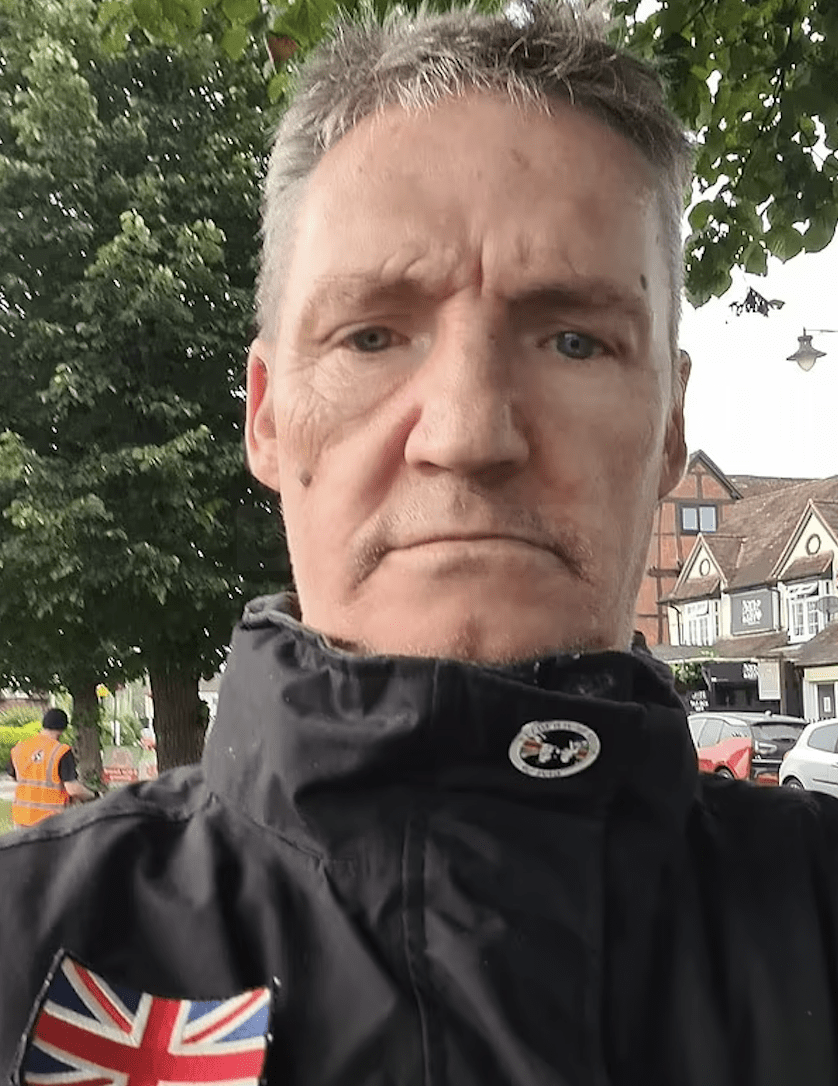
A harrowing inquest has uncovered disturbing details about the mental state and online activities of Andrew Leak, the far-right terrorist responsible for a firebomb attack on a migrant detention centre in Dover. The 66-year-old’s actions on October 30, 2022, were preceded by a troubling history marked by drug addiction, deteriorating mental health, and an alarming online presence.
The inquest revealed that Leak had been embroiled in an eight-hour standoff with police months before the attack, during which he threatened to take his own life in a graveyard in Oxfordshire. Thames Valley Police, responding to the call, discovered evidence on Leak’s electronic devices indicating his involvement in inciting racial hatred.

Leak’s descent into radicalisation and mental instability was exacerbated by the unexpected death of his son and his battles with drug and alcohol addiction. Despite being discharged from the local mental health team in March 2020, Leak’s condition continued to deteriorate, leading to increasingly erratic behaviour.
According to revelations from the inquest, Leak had expressed paranoid beliefs, shared far-right and conspiracy-laden content on social media platforms, and made alarming statements regarding immigration and terrorism. His online persona was characterized by a fascination with Batman villain The Joker, sharing of transphobic and Islamophobic content, and engagement with extremist groups and conspiracy theories.
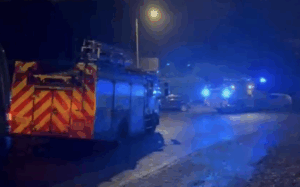
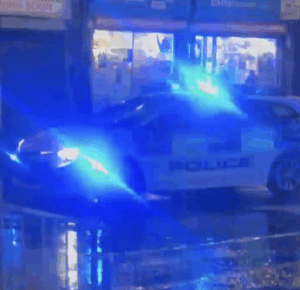
On the day of the attack, Leak threw four improvised explosive devices at the migrant detention centre, endangering the lives of migrants and officials. He subsequently fled, engaging in further erratic behaviour, including setting off fireworks at a BP petrol station, before ultimately taking his own life.
Assistant-Coroner for Mid-Kent and Medway Coroner Scott Matthewson highlighted Leak’s deteriorating mental health as a contributing factor to his actions. A toxicology report revealed the presence of prescription drugs, cocaine, codeine, and heroin in Leak’s bloodstream at the time of his death.
The inquest underscored the complex interplay between mental health issues, substance abuse, and extremist ideologies, shedding light on the tragic consequences of radicalization and online radicalization. As authorities continue to grapple with the threat posed by far-right extremism, Leak’s case serves as a stark reminder of the urgent need for comprehensive strategies to address the root causes of radicalization and prevent future acts of violence