
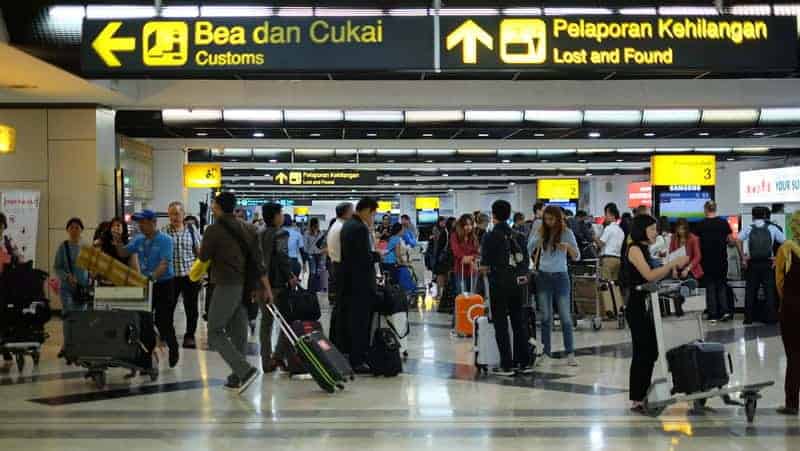
Three British nationals from East Sussex are standing trial in Indonesia after allegedly attempting to smuggle nearly a kilogram of cocaine disguised as powdered dessert through Bali’s Ngurah Rai International Airport.
Jon Collyer, 38, and Lisa Stocker, 39, were arrested in February 2025 after customs officers discovered 994 grams of cocaine hidden in 17 packets resembling Angel Delight – a well-known powdered dessert in the UK. Authorities allege the drug haul was intended for Phineas Float, 31, who was arrested days later and identified as the intended recipient.
All three defendants are originally from Hastings and St Leonards, East Sussex, and are now facing prosecution under Indonesia’s notoriously strict narcotics laws. The charges carry a potential death sentence, although Indonesia has not carried out an execution since 2017.
£300,000 Worth of Cocaine Concealed in Dessert Packaging
Prosecutors told the court that Collyer and Stocker acted as couriers, transporting the cocaine from an undisclosed departure location into Bali, while Float awaited the delivery. The seized drugs are estimated to be worth £300,000 on the street market.
The arrests were part of a wider investigation triggered by the airport seizure. All three suspects have appeared in Indonesian media wearing orange prison uniforms, an image often used to signal the gravity of the alleged crimes and the certainty of trial proceedings.
British Embassy Yet to Comment
The British Embassy in Jakarta has not released an official statement, but diplomatic sources suggest consular assistance is being provided. Human rights groups have also begun monitoring the trial due to the threat of capital punishment.
An AFP journalist attending the courtroom reported that the trial is expected to last several weeks, with the Indonesian judiciary taking a hardline stance in cases involving foreign drug traffickers.
Indonesia’s Hardline Drug Laws in Global Spotlight
Indonesia maintains some of the world’s toughest penalties for drug crimes, including long prison sentences and the death penalty for trafficking. Although executions have been on pause, recent political developments under President Prabowo Subianto signal potential shifts in drug policy and international legal cooperation.
The high-profile case continues to draw international attention, as observers await the verdict in a case that merges cross-border law, public health, and the enduring legacy of capital punishment in Southeast Asia.