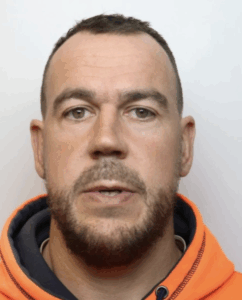
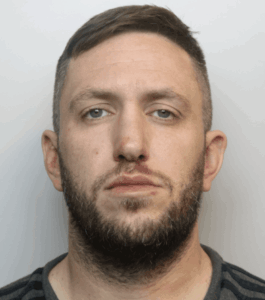
Following a road accident in Sussex in December, dozens of motorists were arrested on suspicion of drunk or drugged driving. Officers were dispatched to 52 traffic collisions where the driver’s intoxication was suspected to be a factor. Tragically, this included a fatal collision in which the driver was also injured and had to be taken to the hospital. At the beginning of December, Sussex Police launched the Drink Driving: Together We Can Stop It campaign, appealing to the public’s sense of shared responsibility to reduce the number of people killed and seriously injured on our roads. The force urged the public to help prevent drunk driving by booking a taxi, convincing those who are over the limit not to drive, and reporting those who do not follow these instructions to the police. The campaign was timed to coincide with Operation Limit, a national operation targeting drunk and drugged drivers in which all police forces in England and Wales increased their presence on the roads during the Christmas and New Year holidays. During the month-long crackdown in December, officers in Sussex arrested 233 people for drunk and drugged driving. Our campaign highlighted the dangers of drink-driving but also the very simple steps people can take to prevent it from happening,” said Chief Constable Jo Shiner, the National Police Chiefs’ Association lead for Roads Policing. “Tragically, we have once again seen the devastating consequences that drink-driving can have on our roads, as one person died in a collision involving a suspected drink-driver. The fact that there were more than 50 collisions goes to show just how dangerous driving while intoxicated through drink or drugs is. Every one of those drivers jeopardised their own and everyone else’s safety.” As part of the campaign, 86 drivers have already been charged with offences and have either appeared or will appear in court until the end of January. Sussex Police will publish the names of those convicted in order to raise awareness of the issue and deter others from committing the same offence. Despite the warnings, officers continued to find drivers endangering themselves, including one driver who was found vomiting in the car after consuming alcohol and another who was found smoking cannabis behind the wheel in a parking lot. It is good news to hear Sussex Police continue to take dangerous drivers off our roads, but it is saddening to know that so many people still think this reckless behaviour is acceptable,” said Sussex Police & Crime Commissioner Katy Bourne. Getting behind the wheel under the influence of alcohol or drugs is a decision that could have absolutely devastating consequences so, if you need to travel, you need to make alternative arrangements. With increased drug-driving evidence, it is clear that we need to increase our forensic testing capacity and train more officers in the use of roadside tests so that our road networks become a safer place for all.” “My officers continue to patrol the roads 24/7, every day of the year, to prevent offenders from causing harm to themselves and others,” Chief Constable Shiner added. “We also continue to urge people to make the right choices. Drink-driving can be avoided by taking precautions such as pre-booking a taxi, walking to a venue, or having a designated driver. “The public can also do their part to persuade a drink-driver not to get behind the wheel, such as by offering to call a taxi, offering them a place to stay instead of drink-driving, and if necessary, by taking the car keys away from them. If all of those options fail, we urge the public to report offenders to us so that our officers can arrest and remove them from the road.” Drinking and driving is one of the “fatal five” causes of death or serious injury on our roads. Other factors include driving too fast, not wearing a seatbelt, being distracted behind the wheel, such as by using a cell phone, and driving carelessly or inconsiderately. The following are some of the consequences of drinking or using drugs while driving: • A minimum 12-month ban; • An unlimited fine; • A possible prison sentence; • A criminal record that could jeopardise your current and future employment opportunities; • An increase in your car insurance; • Difficulties travelling to countries such as the United States; and • The possibility of killing or seriously injuring yourself or someone else.