Peter Faulding, the diving specialist involved in the search for Nicola Bulley’s body, has hit back at his portrayal in the recent BBC documentary, “The Search for Nicola Bulley.” The documentary, which aired on Thursday (3 October), accused Faulding of causing a “false alarm” during the search, a claim he strongly denies.
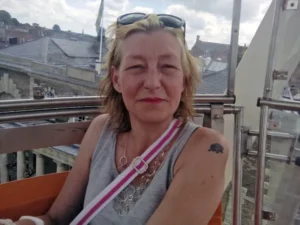
Nicola Bulley disappeared on January 27, 2023, after dropping her children off at school and taking her dog for a walk along a river in Lancashire. The search for the missing mother gained significant media attention, with Faulding and his Specialist Group International (SGI) team playing a key role in the investigation.
In the documentary, Faulding was accused of misleading Bulley’s family and loved ones by claiming she was not in the river. Faulding has taken to social media to defend himself, stating that he and his team were portrayed “unfairly” and that the documentary failed to accurately represent his contribution to the search.
On Friday morning (4 October), Faulding posted a link to a statement on X (formerly Twitter), where he wrote: “It is with deep regret that I have had to release these documents and images to defend myself and my team’s professional reputation.” The statement was also published on the SGI website, where he argued that the documentary did not present the full context of his search efforts.
Faulding explained: “The BBC documentary ‘Finding Nicola’ has again portrayed me and my team unfairly, and I want to set the record straight. My statement that ‘if Nicola were there, I would have found her’ comes from nearly three decades of experience in underwater searches.
The diving specialist went on to claim that his sonar equipment located Bulley’s body on February 7, within just six minutes of beginning the search. However, Faulding argued that his findings were “not thoroughly investigated,” as police allegedly never requested his sonar data.
He also released images purportedly showing sonar scans of the river, which he claimed depicted the shape of a body in a “fetal position.” Despite this evidence, Nicola Bulley’s body was not recovered until February 19, nearly two weeks later.
Faulding emphasized that it was “never our intention” to cause distress to Nicola’s family. He expressed regret that his findings were not fully explored, adding that unnamed experts in a review by the College of Policing made conclusions based on “basic PDF images alone.
A review of the investigation, conducted by the independent College of Policing in November 2023, suggested that Faulding’s comments had “caused unwarranted distress and false alarm” to Bulley’s family and contributed to “public confusion” over her disappearance.
The BBC declined to comment on the allegations when approached by the media.
Nicola Bulley’s case has been widely covered across the UK, with her disappearance and the subsequent search drawing significant attention. In the documentary, her family spoke about the impact of the investigation and social media speculation, which led to baseless conspiracy theories being spread online.
Bulley’s long-term partner, Paul Ansell, appeared in the documentary to ensure that Nicola received the “legacy she deserves.” In an emotional statement, the family said: “Our sole aim is to provide the definitive record on Nikki to ensure she has the legacy that she deserves.
Nicola Bulley’s disappearance and the search that followed have highlighted the growing role of social media in missing persons cases, prompting calls for better management of public speculation during such investigations.