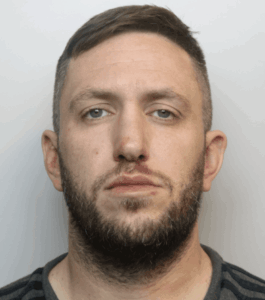

In a somber revelation, a coroner has declared that a series of “very stark” failures by the Probation Service significantly contributed to the murders of a mother and three children by Damien Bendall. Serving a whole life sentence for the brutal killings in September 2021, Bendall admitted to raping 11-year-old Lacey Bennett.
During the inquests at Chesterfield Coroner’s Court, it was concluded that the victims were unlawfully killed, and coroner Peter Nieto placed primary responsibility on Bendall for the “brutal and savage” murders. However, he also emphasised that the Probation Service and individuals involved had “several very stark acts or omissions” that “accumulatively” contributed to the deaths.
The Probation Service accepted 51 separate failings, acknowledging its shortcomings in managing Bendall, who had a history of serious and violent offences dating back to 2004. Issues included the failure to recognise Bendall’s history and allegations of domestic abuse and inappropriate contact with a young girl in care.
Nieto highlighted a “failure to demonstrate sufficient professional curiosity,” stating that crucial information about Bendall’s past was not adequately recorded in probation reports. He emphasised that had this information been documented, it would have been inconceivable for Bendall not to be considered a high risk to children.
A report published in January already condemned the Probation Service’s handling of Bendall, describing it as of an “unacceptable standard.” The service failed to correct errors and missed critical opportunities before Bendall committed the murders. The coroner revealed that safeguarding checks were not completed, and inadequate guidance and supervision allowed intervention opportunities to be missed.
While acknowledging challenges faced by the Probation Service, including high workloads and stress, Nieto concluded that changes in the service and challenges posed by COVID did not fully explain the totality of the failures in overseeing Bendall.
The coroner expressed condolences to the victims’ families and friends, acknowledging the difficulty of the two-week inquest. A Prevention of Future Deaths report will be written to address the systemic issues identified in the case.