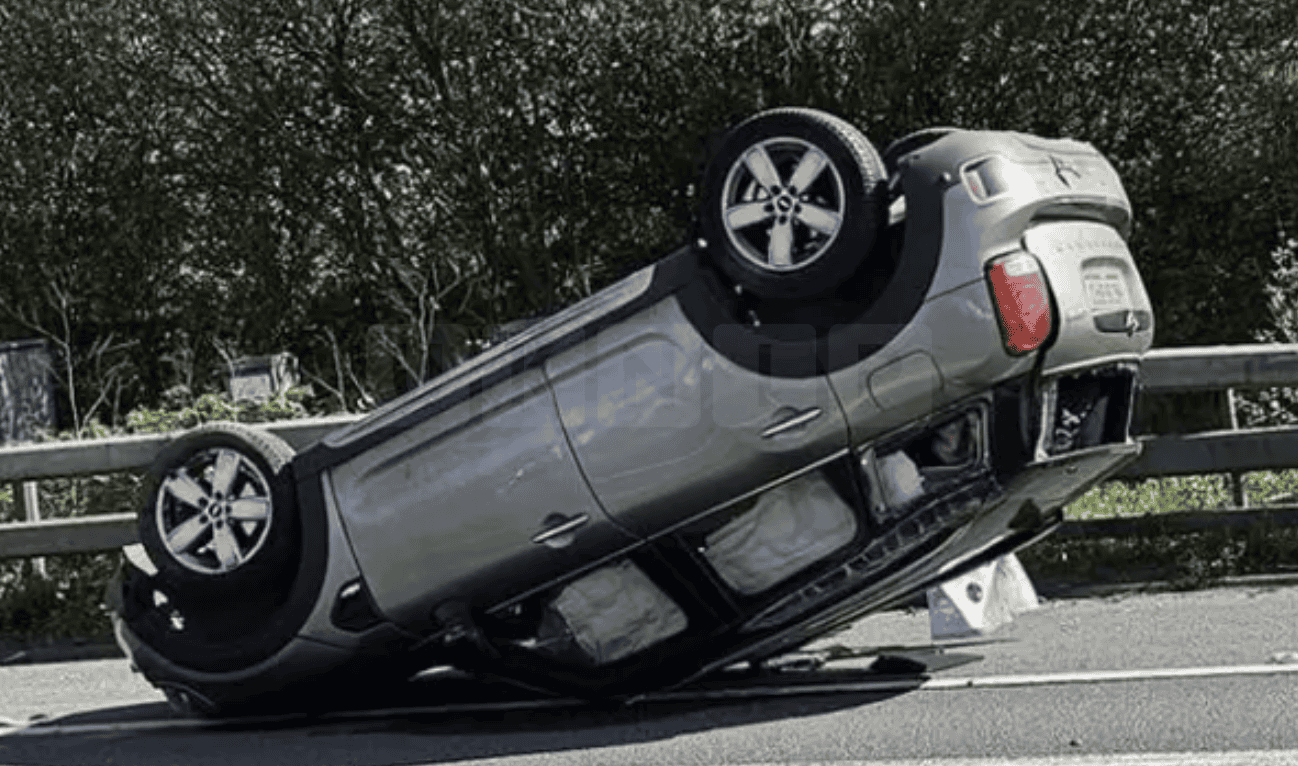
The A2 London-bound has fully reopened following a serious four-vehicle crash that caused major delays earlier today between Bean (B255) and junction 2 of the M25 (Darenth Interchange).
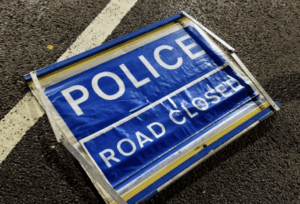
The incident, which took place on the afternoon of Saturday, April 19, led to the complete closure of the carriageway for several hours while emergency services responded.
A spokesperson for National Highways confirmed that Kent Fire and Rescue Service requested the full closure due to concerns over an overturned hybrid vehicle involved in the crash. The hybrid’s battery posed a potential fire risk, prompting safety precautions.
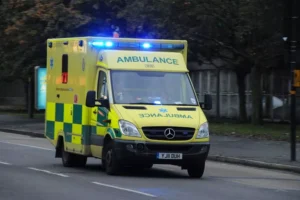
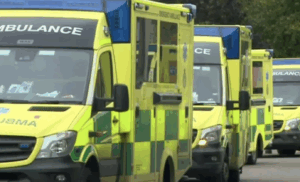
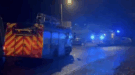
Three fire engines were deployed to the scene, where crews worked to isolate the vehicle and manage the situation. Five people involved in the crash were treated at the scene and handed over to South East Coast Ambulance Service (SECAmb) paramedics. Their injuries are not believed to be life-threatening.
All traffic was temporarily halted, and vehicles caught within the closure were carefully turned around from the back of the queue. Motorists faced long delays, with congestion stretching back to Gravesend and Tollgate Services.
By 5:30pm, National Highways confirmed the road had fully reopened and traffic began to ease.