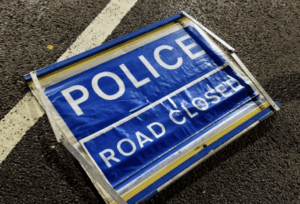

The force made 64 arrests on coronation day, with 46 people bailed after being detained on suspicion of causing a public nuisance or breaching the peace. Four charges have been brought, including over a religiously aggravated public order allegation and class A drugs possession.
Graham Smith, chief executive of the anti-monarchy Republic campaign group, who was detained on Saturday, accused Scotland Yard of having “every intention” of arresting demonstrators. He raised fresh concerns about the Public Order Act signed into law last week, which tips the balance against protest, including by lowering the definition of “serious disruption”.
However, Sunak backed the force’s efforts during the “dazzling spectacle,” saying that the police were “operationally independent of government” and made decisions based on what they thought was best. The Prime Minister was volunteering at a lunch club during the national Big Help Out drive on the coronation bank holiday.
Culture Secretary Lucy Frazer also defended the Met as having got the “balance right” and said arrests were necessary during the “international event on the world stage”. Meanwhile, Labour frontbencher Andrew Gwynne said the Act gave “disproportionate” powers to the police but that the party was not committed to repealing it if it enters government.
The arrests have raised concerns about the right to protest in the UK, with some activists claiming that the new law means the country no longer has the right to protest.
Women’s safety volunteers were also among those arrested after rape alarms were seized, causing Westminster City Council to raise concerns. Caroline Russell, who chairs the London Assembly’s Police and Crime Committee, said the committee would be questioning the Met over the “worrying” arrests.