Kent Fire and Rescue Service (KFRS) has unveiled new lightweight firefighting kit and specialist off-road vehicles as part of a major investment to improve wildfire response and firefighter safety amid a national rise in outdoor fires.
The rollout of the advanced personal protective equipment (PPE) and new wildfire vehicles comes ahead of the 2025 summer season, when fire risk is heightened due to drier, hotter weather across Kent and Medway.
New Wildfire PPE: Lightweight, Breathable, and Built for Heat
The new high-performance PPE is designed to offer enhanced protection in extreme outdoor conditions. Unlike traditional structural fire gear, which is heavier and built for indoor environments, this new lightweight design is breathable and heat-resistant, reducing fatigue and risk of injury during prolonged wildfire operations.
Mark Gosling, Group Manager for Operational Development at KFRS, said:
“Amid the UK-wide increase in wildfires, Kent is no different. This vital investment allows our crews to operate more effectively in extreme heat while safeguarding their wellbeing.”

National Wildfire Surge Drives Local Response
The move follows a sharp national increase in wildfire incidents, with UK figures rising from 240 incidents (Jan–Apr 2022) to 460 in the same period of 2025. In Kent, firefighters responded to 69 wildfires in August 2022 alone, during the UK’s record-breaking heatwave.
Over the past three years, KFRS has responded to 160 wildfires, most of which were accidental, prompting the service to improve both equipment and training.
Specialist Wildfire Vehicles Join KFRS Fleet
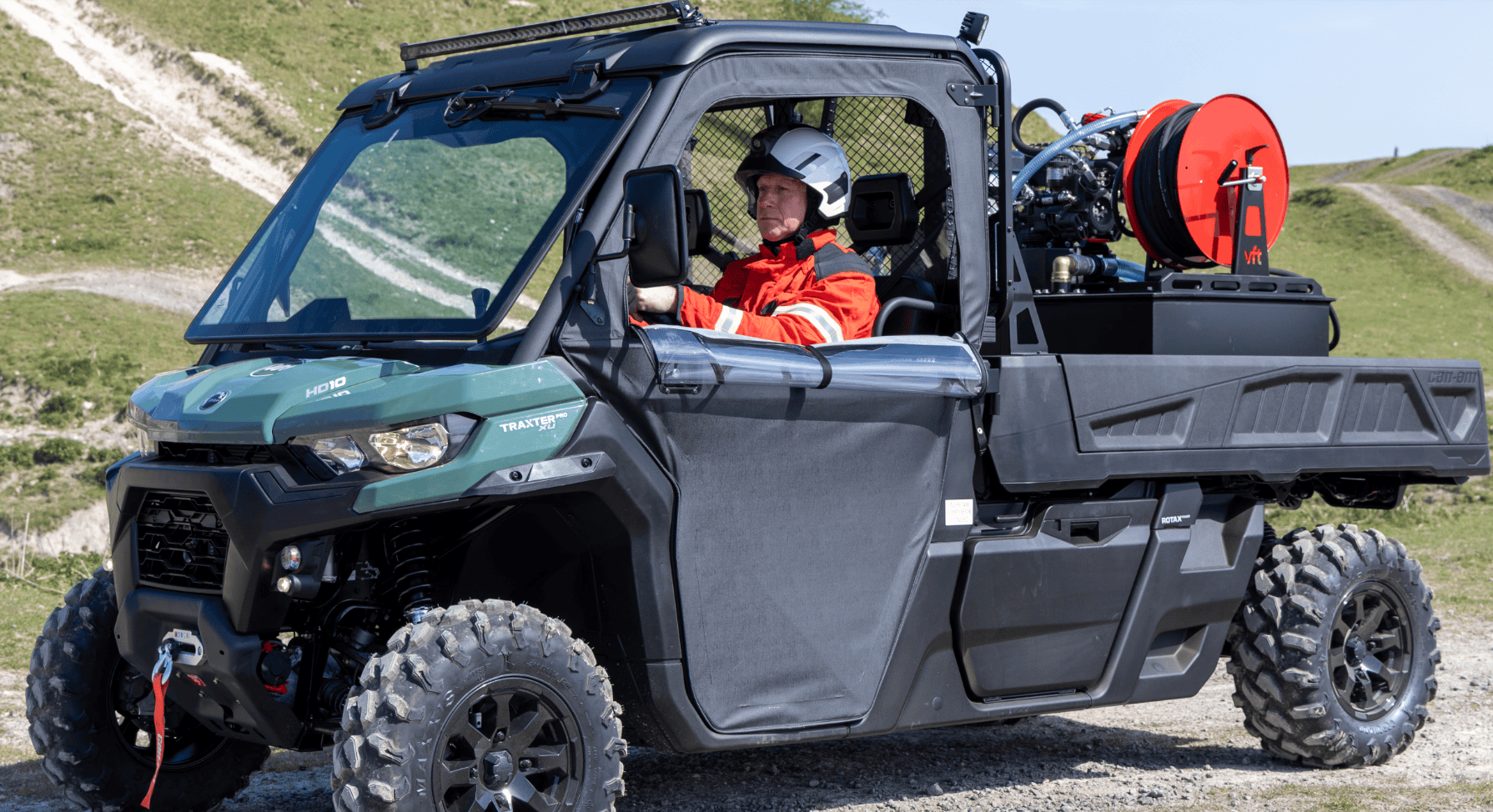
Alongside new PPE, KFRS has also introduced dedicated wildfire vehicles. These off-road units feature:
-
240-litre water tanks
-
Wildfire blowers
-
Foam suppression systems
-
Brush cutters for navigating dense terrain
The vehicles are built to access remote and rural areas, where wildfires are often difficult to contain using traditional fire appliances.
Public Safety: How You Can Help Prevent Wildfires
KFRS is also calling on the public to play a role in wildfire prevention. Tips include:
-
Discard cigarettes safely
-
Never leave bonfires or barbecues unattended
-
Only use barbecues in designated areas
-
Take all litter home – glass and cans can ignite fires
“If you see a wildfire, move to a safe location and call 999 immediately,” Gosling added. “Give the operator detailed location info, including terrain and fire size.”