
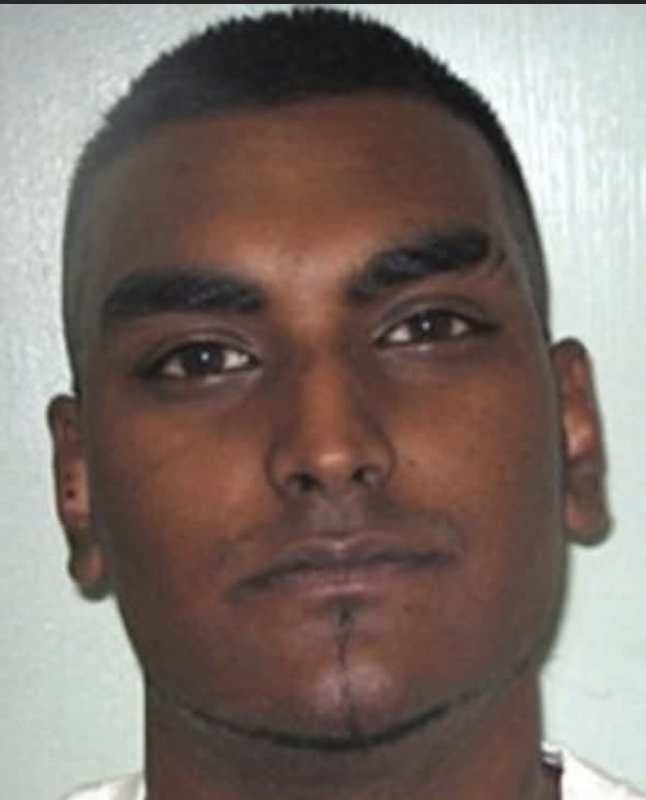
A serial rapist who kidnapped and sexually attacked women and a teenage girl during a three-month campaign in London could be transferred to an open prison despite the Parole Board ruling that he is not yet safe to release. Sunny Islam, 38, was handed an indefinite Imprisonment for Public Protection sentence after being convicted of a series of rapes, kidnap and sexual assault offences committed in 2010. His minimum 11-year tariff expired in 2021, but he has remained in custody. A newly published Parole Board summary confirms that Islam has again been refused release into the community. The panel concluded it was “not satisfied that release at this point would be safe for the protection of the public”. However, it recommended that Islam should be considered for transfer to open prison conditions. The final decision on whether that transfer takes place rests with the Secretary of State.
Women dragged from streets and raped
Islam was convicted following a terrifying series of attacks involving four victims, including a 15-year-old girl. Women were dragged from the street, threatened with a knife, bound and raped. During sentencing, Judge Patricia Lees said Islam regarded women who were out at night as not deserving “respect or protection”. One of his victims was the 15-year-old girl, who told Islam during the attack that she was just 11 years old. Police eventually identified Islam following the kidnapping and rape of the teenager in September 2010 after investigators traced the registration number of his girlfriend’s car. DNA evidence subsequently linked him to three other attacks in east London. Islam was ultimately convicted of seven counts of rape, one count of sexual assault and one count of kidnap. Detectives investigating the case previously raised concerns that there could have been other victims who never came forward.
Parole Board identifies continuing risks
The Parole Board considered Islam’s offending history, behaviour in custody and the work he has completed during his imprisonment. According to the summary, continuing risk factors include his history of violent and controlling sexual behaviour, impulsive decision-making and difficulties within relationships. The panel also considered his understanding of the harm caused to his victims at the time of the offences. However, it heard that Islam has completed accredited programmes addressing sexual offending, decision-making and thinking skills. He has also undertaken psychology-led work designed to help offenders identify and manage problematic behaviour. The panel was told Islam had demonstrated learning from that work and had completed work focused on victim empathy.
Release plan rejected
A potential release into the community under strict licence conditions was considered by the panel. However, the Parole Board concluded that the proposed arrangements were not sufficiently robust to manage the risks he currently presents in the community. It therefore refused to direct his release. Despite that decision, the panel concluded that his progress in custody meant a move to open conditions was appropriate to explore. Open conditions can provide an opportunity to test how a prisoner manages increased responsibility and reduced security before any future decision about release. A transfer to an open prison would not mean Islam had been released from his sentence.
Victim’s request for public hearing refused
The parole proceedings have also attracted controversy after one of Islam’s victims applied for the hearing to take place in public. That application was refused. Submissions made to the Parole Board stated that the prospect of a public hearing had caused Islam significant anxiety and sleep disturbance. Islam therefore remains in custody. Whether he will now be transferred to an open prison will depend on the final decision of the Secretary of State, while any future release would require a further assessment of whether his risk could safely be managed in the community.
Originally published by UKNIP.