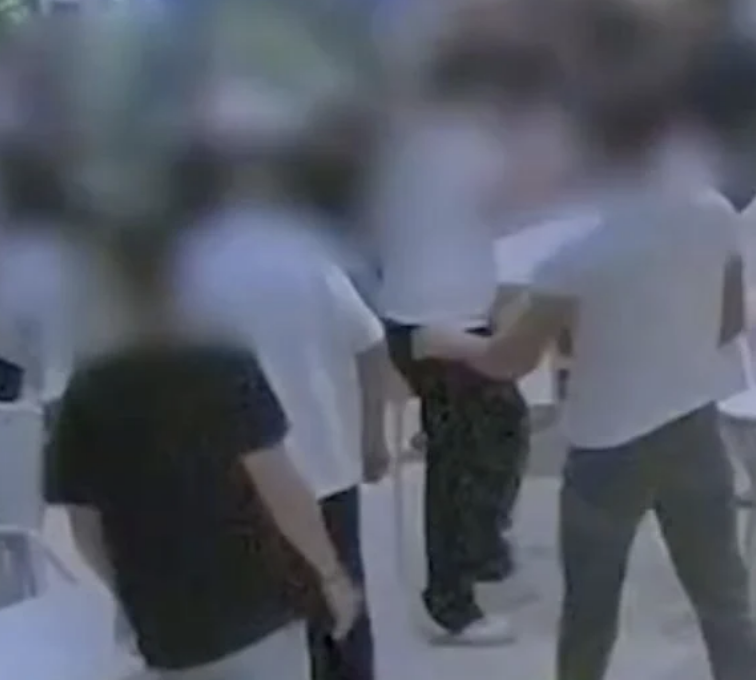

Nine years ago, an ordinary Friday morning commute in London turned into a scene of terror when a homemade bomb exploded aboard a packed District line train at Parsons Green. It was shortly after 8.20am on 15 September 2017 when the device partially detonated, sending a fireball through the carriage as commuters and schoolchildren travelled through West London. Remarkably, nobody was killed, but 23 people suffered burns while a further 28 were injured during the panic and crush that followed as passengers desperately tried to escape.
Fireball swept through packed carriage
Survivors later described the terrifying moment flames swept through the train. One woman recalled how her hair caught fire almost instantly after she had used hairspray while getting ready that morning. She said: “I had used a curling iron to curl my hair that morning and used hair spray, and as the fireball passed over me, my hair instantly caught fire.” Another passenger described throwing herself from the carriage and into the track area in an attempt to escape the intense heat. The bomb had only partially exploded, preventing what could have been a far greater loss of life.
Army officer ran towards the bomb
As terrified passengers fled, Army officer Lieutenant Colonel Craig Palmer headed in the opposite direction. Palmer was two carriages away when he heard the explosion and pushed past fleeing passengers, including schoolchildren, to investigate. Believing he was approaching a burning improvised explosive device, he forced open the carriage doors and moved towards the device. He took photographs which would become important to investigators, despite realising the bomb had only partially detonated and could potentially explode again. Palmer later recalled: “It was still venting fumes and could have gone off at any moment. “Everyone was trying to get away while I was going forward.” His bravery was subsequently recognised with the Queen’s Commendation for Bravery.
Bomber left explosive on train
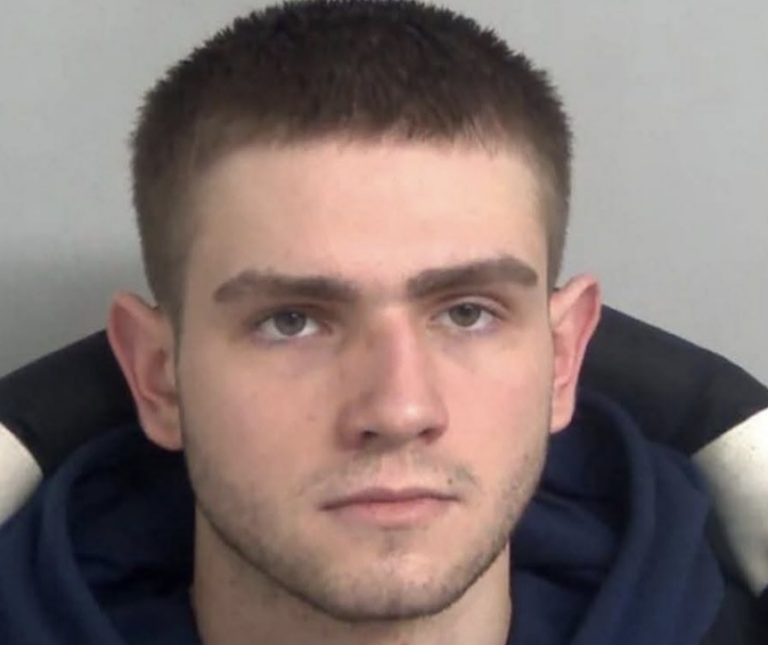
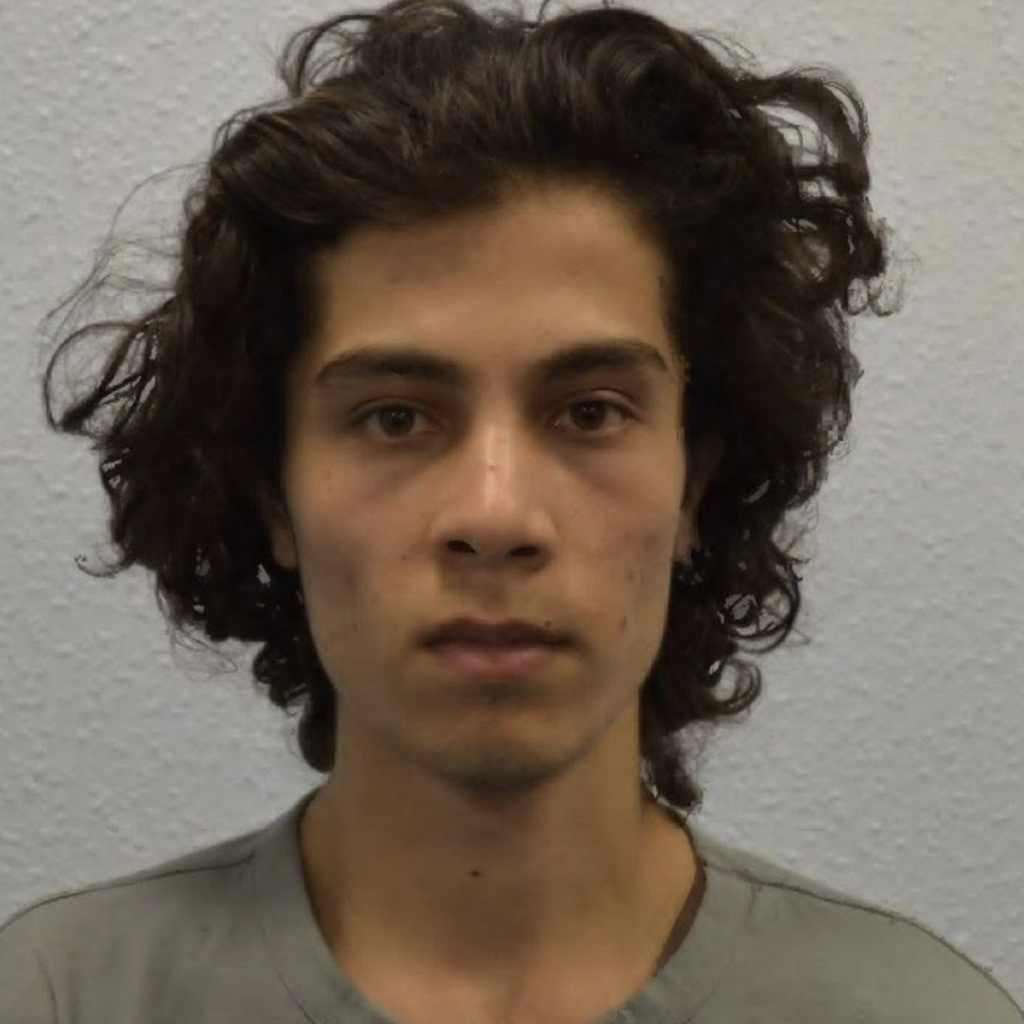
The device was planted by Ahmed Hassan, who was 18 at the time of the attack. Hassan had constructed the bomb at his foster parents’ home in Sunbury, Surrey, while they were away. He boarded the District line with the device before getting off at Putney Bridge, leaving it behind to detonate among passengers. The bomb exploded minutes later at Parsons Green. Hassan was arrested in Dover the following morning and was later convicted of attempted murder. He was sentenced to life imprisonment with a minimum term of 34 years.
Questions followed over missed opportunities
The attack also prompted scrutiny of how Hassan had been dealt with before the bombing. He had previously been referred to the Government’s Prevent counter-extremism programme, but concerns were subsequently raised about delays in the support and intervention provided. Following reviews into the case, authorities acknowledged that opportunities had been missed before the attack. Nine years later, the Parsons Green bombing remains one of London’s most frightening recent terrorist attacks — not only because of the injuries it caused, but because the partial failure of the bomb prevented what could have been a far deadlier atrocity.
Originally published by UKNIP.