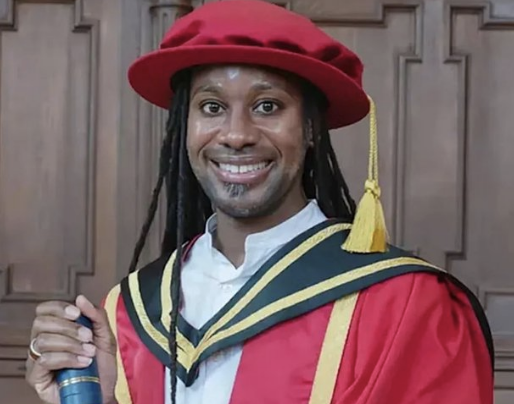

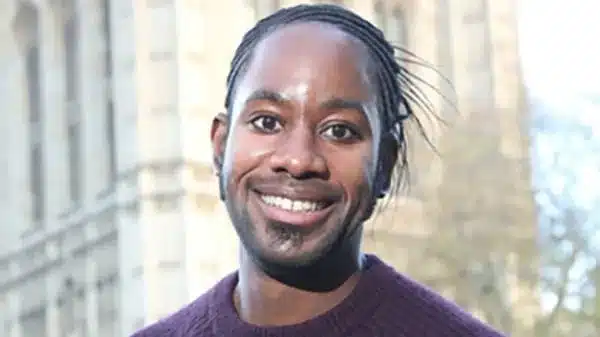
Former Cambridge University professor Jason Arday told a close friend he felt he “couldn’t go on” just hours before he was found dead at his home in Battersea, south London. Arday was found dead on Friday following a period of intense public scrutiny surrounding his academic career and aspects of his personal history. Professor Sir Simon Baron-Cohen, director of the Autism Research Centre at the University of Cambridge, said he had spoken to Arday on Friday morning.
Speaking to BBC Radio 4’s Today programme, Sir Simon revealed that Arday had sent voice notes expressing how badly he was struggling. He said: “He was being subjected to relentless scrutiny, including ridicule, discrediting absolutely every detail of his life, and he wasn’t coping with the loss of his career, the loss of his reputation, and he felt he couldn’t go on.
“He used those words in voice notes.” Sir Simon described his friend as a “kind and gentle” person and said he believed Arday had needed greater support throughout his life.
He said: “He was a vulnerable child, a vulnerable teenager, and a vulnerable adult, so he needed and deserved safeguarding and support and reasonable adjustment every step of the way.” Arday had recently faced significant scrutiny over his academic credentials and elements of the life story that had accompanied his rise through academia.
The controversy led to widespread discussion across newspapers and social media, with numerous claims about his career and background being examined and challenged. His death has now prompted questions about the impact that sustained public and online scrutiny can have on individuals, particularly those considered vulnerable.
While legitimate questions had been raised about Arday’s academic work and personal accounts, his death has also led some of those who previously criticised or mocked him to reconsider the tone and intensity of the coverage. There are also questions surrounding the institutions that employed and promoted Arday and what checks were carried out before his appointments, although those issues remain separate from the circumstances of his death.
Whatever the eventual conclusions surrounding the controversies that preceded his death, Arday’s death is a tragedy for his family, friends and those who knew him. The circumstances surrounding his death should not be attributed to any individual, organisation or particular event unless established by the appropriate authorities.
Originally published by UKNIP.