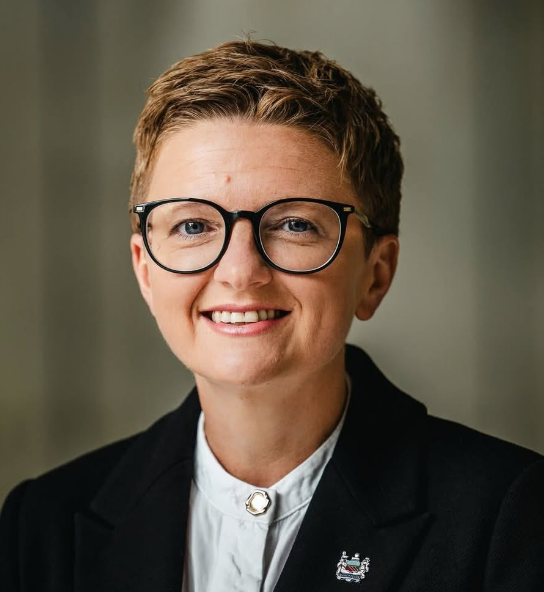
Labour has retained control of the Greater Manchester Combined Authority mayoralty following the election of Bev Craig, but the result has prompted discussion over low voter turnout and the performance of Reform UK. Bev Craig secured victory to become the next Mayor of Greater Manchester following the resignation of Andy Burnham, who stepped down to pursue a parliamentary role elsewhere.
While Labour retained the position, turnout stood at 25 per cent, meaning around three-quarters of eligible voters did not cast a ballot.
Low Turnout Raises Questions
The relatively low turnout has led to debate over voter engagement, with some suggesting the by-election failed to capture public interest after Burnham’s departure. Others questioned whether the election was viewed by some voters as unnecessary, given it followed the mayor’s resignation rather than the end of a full term.
No official reason has been identified for the low turnout.
Reform UK Finishes Second
Reform UK finished in second place but some commentators suggested the party fell short of expectations following pre-election speculation that Greater Manchester could become a significant electoral test.
According to figures cited after the election, Reform candidate Sian Astley received approximately 157,000 votes after the second preference count, with around 111,900 first preference votes.
Debate Over Campaign Strategy
The result has also prompted discussion about Reform UK’s national campaign strategy. Some supporters questioned whether party resources were redirected towards other electoral contests, including Clacton, leaving Greater Manchester with a more locally focused campaign.
These views reflect political commentary following the result and have not been confirmed by Reform UK.
Social Media Claims
Following the declaration, social media platforms saw numerous posts alleging the election had been “fixed” or “rigged.” No evidence has been presented to support those claims. Several posts also appeared to misunderstand the electoral system used in the contest.
How the Voting System Worked
The Greater Manchester mayoral election used a first and second preference voting system. Under this system, voters could select:
- A first-choice candidate.
- A different second-choice candidate.
If no candidate achieved the required threshold on first preferences, eligible second-preference votes were redistributed.
A second preference cast for the same candidate as the first preference is not counted as a valid second preference.
Personal Abuse Condemned
The election also saw personal comments directed at Bev Craig across social media, including remarks about her appearance and personal life. Political commentators have criticised such attacks, arguing that debate should focus on policies and electoral outcomes rather than personal abuse.
Continuing Political Debate
The Greater Manchester result is expected to fuel further discussion about voter turnout, campaign strategies and political engagement ahead of future elections. While supporters and opponents have offered differing interpretations of the outcome, the official result confirms Bev Craig as the next Mayor of Greater Manchester after Labour retained the office.
Originally published by UKNIP.