
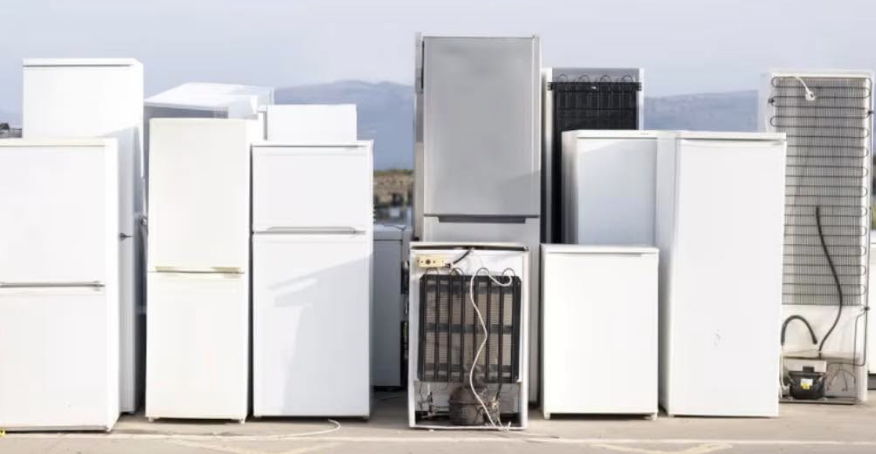
Residents across parts of the UK are facing disruption to fridge and freezer collections as councils grapple with a national shortage of specialist recycling and processing capacity. A number of local authorities have temporarily suspended the collection of unwanted refrigeration appliances due to reduced capacity at facilities responsible for safely treating and recycling old fridges and freezers.
National Processing Issue
The disruption is affecting the specialist handling of refrigeration appliances, which require controlled processing to safely remove gases and other potentially harmful materials before they can be recycled. Councils have warned that collections may be delayed or temporarily unavailable while the industry works through the backlog.
Residents Urged to Consider Alternatives
Householders are being encouraged to explore other disposal options where possible. Many retailers provide a take-back service when delivering new appliances, while some charities and reuse organisations may collect working fridge freezers for refurbishment and reuse.
Residents are advised to check what services are available before arranging disposal.
Check Before Visiting Recycling Centres
Councils are urging people to contact their local authority or household waste recycling centre before transporting unwanted appliances, as disposal arrangements currently vary between different areas. Some recycling centres may continue to accept fridge freezers, while others could be experiencing delays or temporary restrictions.
Warning Against Fly-Tipping
Authorities are also reminding residents not to leave unwanted fridge freezers on pavements, verges or other public land, or dispose of them illegally. Fridges and freezers require specialist handling and processing, and fly-tipping appliances is a criminal offence that can result in enforcement action and significant fines.
Councils say they are continuing to monitor the national situation and will resume normal collection services as soon as sufficient recycling and processing capacity becomes available.
Originally published by UKNIP.