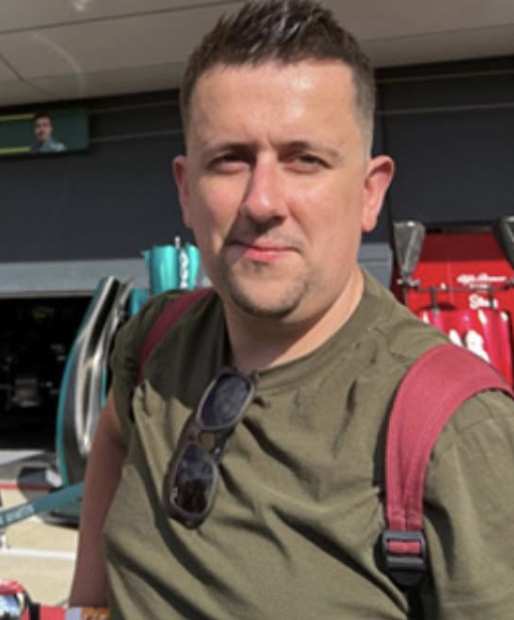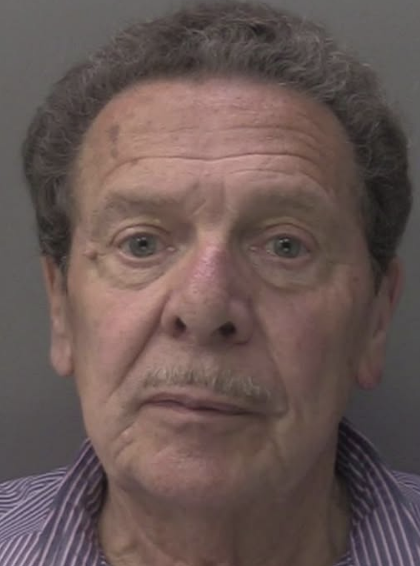


Campaigners are urging UK police to investigate the case of Brooke George, a 23-year-old British woman from Gravesend, Kent, held in Dubai over the death of William Treeby, 26.
The incident happened last week in a Dubai apartment where George claims she acted in self-defence after being attacked. The campaign group Detained in Dubai has provided intelligence to UK and UAE authorities, highlighting potential mobile phone evidence from witnesses at the scene that could prove vital.
Key Witnesses Hold Crucial Evidence
Five people were present in the Dubai flat—Brooke George, William Treeby, two friends of Treeby, and a maid. Campaigners say phone records and calls made from Treeby’s friends in the hours after his death may establish an accurate timeline and reveal further witnesses.
There are calls for this data to be urgently secured to avoid loss or deletion of critical evidence.
Connection To UK Criminal Cases
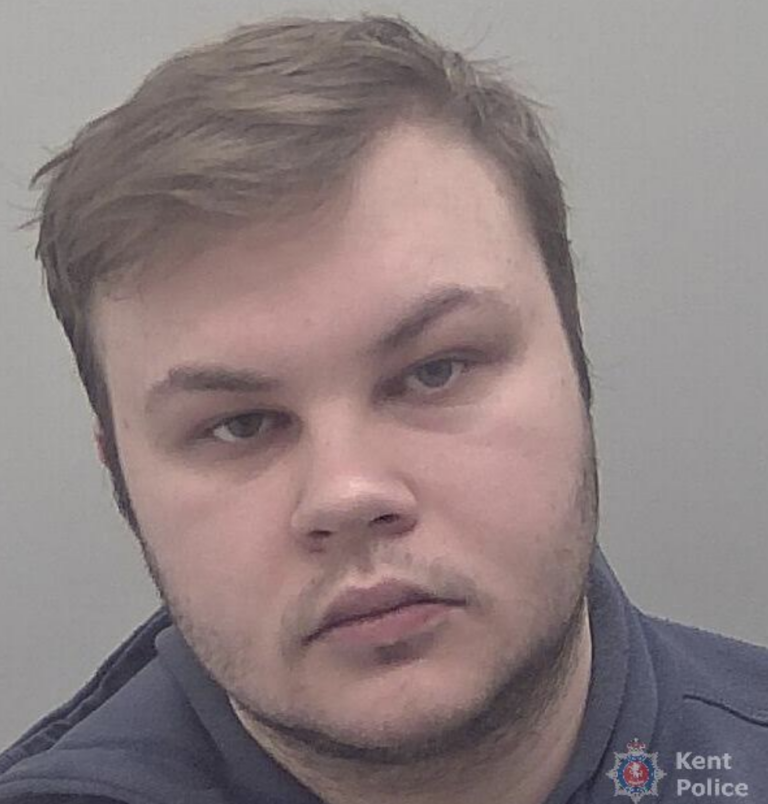
William Treeby was due to face trial at Maidstone Crown Court on conspiracy to supply cocaine charges tied to a Kent Police County Lines investigation. One of the men sharing his Dubai flat was also charged in the same UK case.
Treeby had a previous conviction for unlawful wounding and common assault with a suspended sentence.
Campaigners Push For Full UK
Radha Stirling, CEO of Detained in Dubai, confirmed submissions of intelligence to UK government departments, UAE authorities, and the UAE Ambassador in London. She emphasised the need for a comprehensive UK police inquiry to ensure all evidence is thoroughly investigated, given the serious risk Brooke George faces, including the death penalty.
Appeal For Witnesses In The
Campaigners have urged anyone in Britain who received calls from Dubai on the night of the incident to come forward. They stress that securing mobile phone data and witness statements is vital before evidence disappears.
Kent Police have been contacted for comment on the matter.
Originally published by UKNIP.