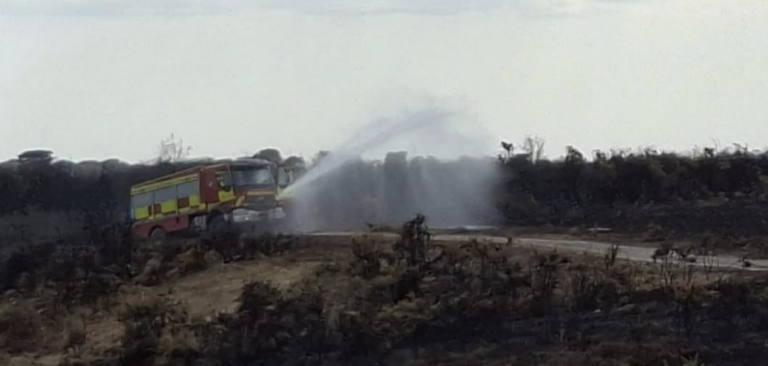

Floodwaters have trapped approximately 20 cars on the A27 between Havant and Fishbourne near Chichester in Hampshire. The road has been closed in both directions as emergency services respond to the incident.
West Sussex Fire and Rescue confirmed the closure, stating: “A27 CLOSED both ways from Fishbourne, Chichester to Havant. Around 20 cars stuck in flood water. Police on the scene and the road closed in both directions.” They are deploying specialist rescue equipment to assist those affected and ensure their safety.
Authorities have urged drivers to avoid the area and only travel if absolutely necessary due to the ongoing disruption caused by the flooding.
National Highways has confirmed that the flood closure impacts the A27 stretch between the A259 junctions near Emsworth and Chichester. The closure follows extensive flooding caused by heavy rainfall. They have issued a warning with the message: “Further details to follow.”
Official diversion routes have been announced to help motorists navigate around the closure. Eastbound drivers should follow the hollow diamond diversion symbol: exit the A27 at Emsworth junction, take the 3rd exit onto the A259 eastbound at the roundabout, continue through Emsworth, Nutbourne, and Fishbourne to the Fishbourne roundabout, then take the 4th exit to rejoin the A27 eastbound.
Westbound drivers are advised to follow the hollow triangle diversion symbol: leave the A27 at Fishbourne roundabout, take the 1st exit onto the A259 westbound, continue through Fishbourne, Nutbourne, and Emsworth back to the A27 Emsworth junction, then take the 1st exit onto the A27 westbound.
There is currently no estimated time for the reopening of the A27.
Similar flash flooding has also affected Haywards Heath, resulting in road closures and water surging through drains. A yellow weather warning remains in place overnight, raising concerns about further flooding during the early hours.
Motorists are advised to stay tuned for updates and avoid the affected routes where possible.
Originally published by UKNIP.