

The Independent Office for Police Conduct (IOPC) conducted a misconduct hearing regarding two Greater Manchester Police (GMP) officers investigated over complaints about police use of force. The hearing concluded that the case against PC Paul Jackson and PC Paul Lockett was not proven.
PC Paul Lockett, 37, a plain-clothes officer, was previously found not guilty by a Crown jury of five counts of wounding with intent. He was also cleared of aiding and abetting one of the alleged assaults and misconduct in a public office. No charges were filed against two other officers investigated by the IOPC for their use of force in one of the reported incidents.
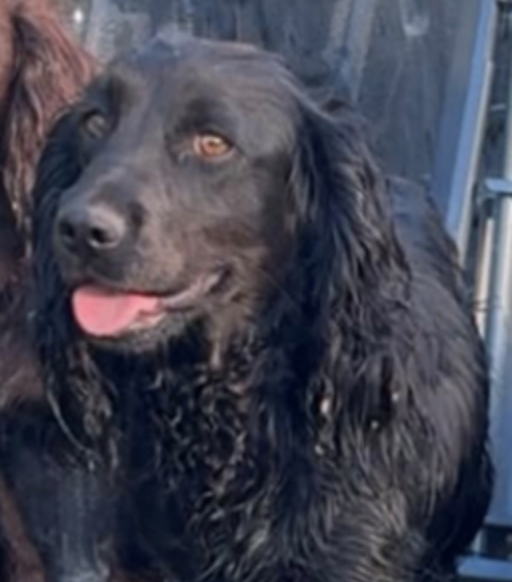
During the trial, PC Jackson was visibly emotional after Mr Justice Nicklin informed him and PC Lockett that they could leave the dock and sit behind their lawyers. The five complainants who testified had prior convictions, including marijuana possession, driving offences, burglary, and murder. They were accused of lying about being restrained by PC Jackson to allow PD Jerry, a police dog, to continue biting them, and that their injuries resulted from resisting arrest.
Stu Berry, chairman of the Greater Manchester Police Federation, commented on the case, expressing concern about the impact on officers’ livelihoods and the policing profession. He stated, “Police officers have no objection to being held accountable for their actions; we are, after all, the most accountable and scrutinised public service, and rightly so.” Berry emphasized the need for investigations to be fair, timely, proportionate, and balanced.
Berry added, “The lives of two highly motivated and respected police officers have been ruined, with long-term ramifications for their professional and personal lives. Right-thinking citizens will be appalled at the amount of public money spent on such a case.” He questioned whether society now believes the word of career criminals over honest and hardworking police officers.
He also highlighted concerns about the effect on police dog handlers, saying, “We now have a situation in which dog handlers are hesitant to perform their duties. Instead of concentrating on apprehending the bad guys, their first thought is, ‘We don’t want to be the next Paul Jackson.’ We risk our dog section becoming nothing more than a dog-walking service if we are not careful and do not have the appropriate protections from these so-called investigations.”
Berry reiterated that police action should be scrutinised but cautioned against punishing officers for simply doing their jobs. He concluded, “It’s absurd. That can’t be right – and the public will be the loser in the end.” He thanked PC Paul Jackson and PC Paul Lockett for their professionalism and dignity throughout the process and wished them and their families well. He also acknowledged the legal team from Slater and Gordon for their professionalism and hard work.
Following the criminal hearing, GMP initially agreed with the IOPC’s findings that all four officers under investigation had a case to answer for gross misconduct. However, in April 2020, GMP informed the IOPC that, based on the criminal hearing outcome, it no longer believed disciplinary proceedings were necessary. The IOPC disagreed and directed GMP in December 2020 to hold misconduct hearings for PC Jackson and PC Lockett. After further representations, the IOPC confirmed the hearings in May 2021.
The misconduct hearing began on May 10, 2021. After submissions from the officers’ representatives, proceedings in one case ended on May 30 when a witness withdrew participation. The hearing concluded on June 10, 2021, with the panel determining that neither officer’s case was proven.
Amanda Rowe, Director of Operations at the IOPC, said, “This was a complicated case with some very serious allegations, and some of the men involved suffered significant dog bite injuries. As a result, it was critical that the issues be investigated independently and thoroughly.” She added, “Our work has ensured that these officers’ actions have been scrutinised at public hearings, providing the transparency necessary for public trust in policing and the complaints system. We appreciate the panel’s consideration of the issues presented to them.”
Originally published by UKNIP.