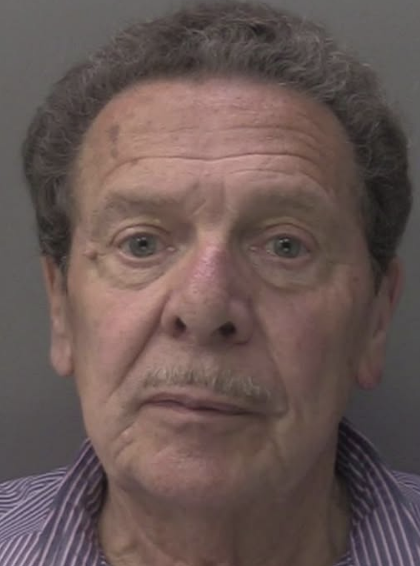

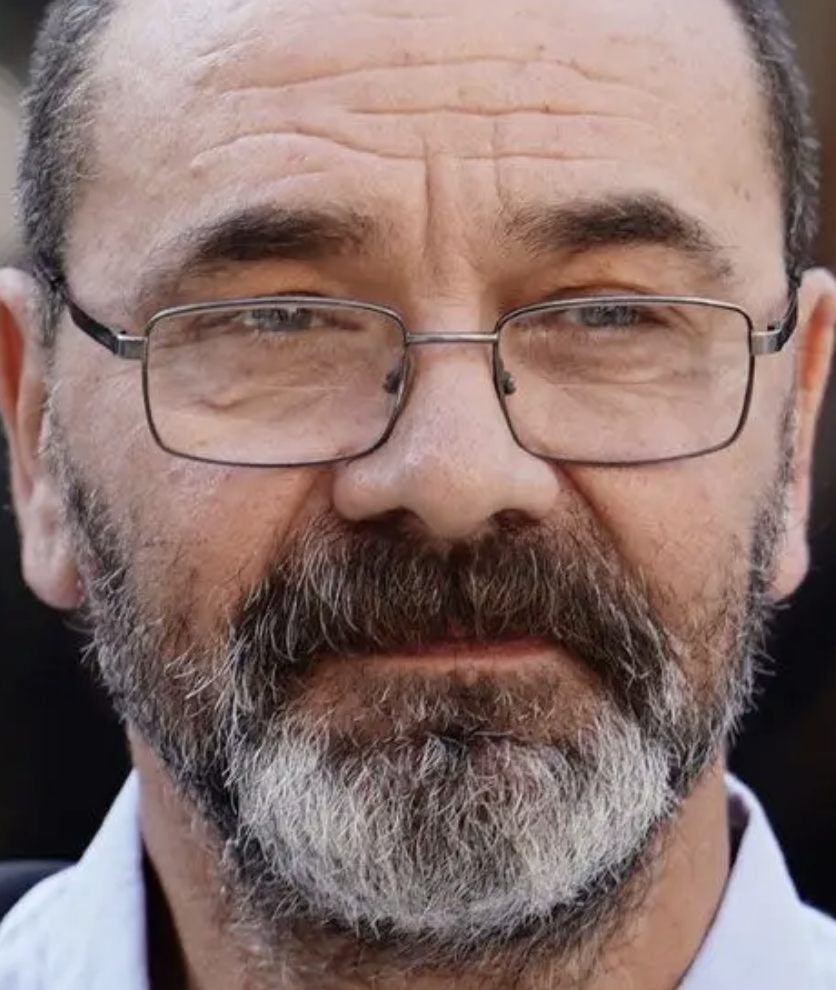
Andrew Malkinson, who was wrongly convicted of sexual assault in Salford in 2003, has spoken out against the deduction of his legal fees from the compensation he was awarded for spending 17 years in prison. His conviction was quashed in 2023 after fresh DNA evidence identified another man as the true perpetrator.
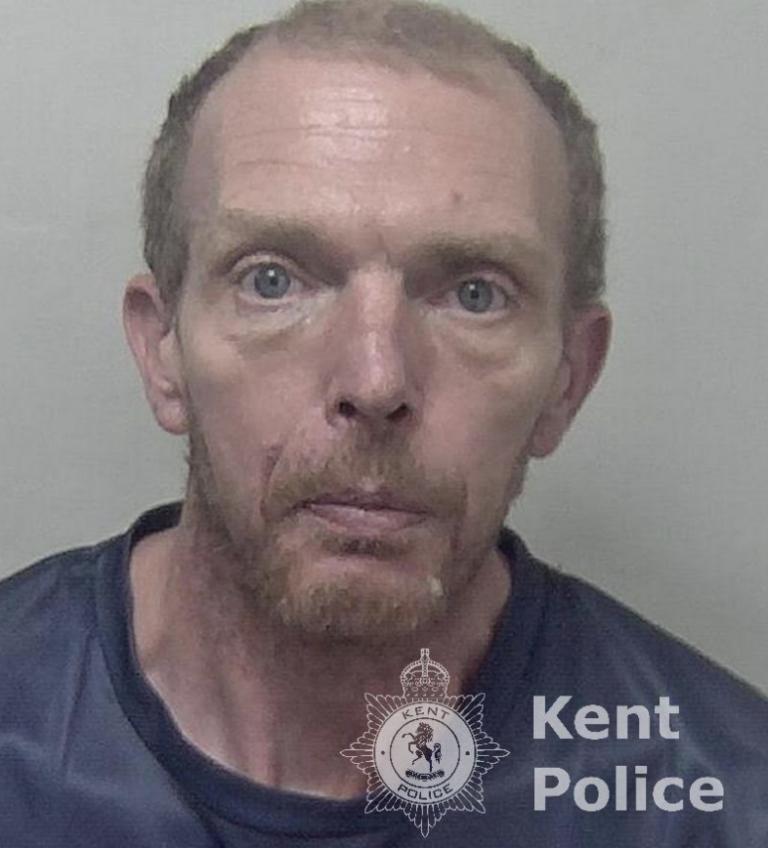
Malkinson was sentenced to life imprisonment with a minimum term of seven years but ended up serving 17 years before his conviction was overturned. Throughout his imprisonment, he consistently maintained his innocence and was finally released in December 2020. The Court of Appeal overturned his conviction following new DNA analysis that linked Paul Quinn to the crime. Quinn was convicted in May 2026 and is due to be sentenced in June.
Despite the miscarriage of justice, Malkinson revealed that up to £10,000 in legal and expert fees are being reclaimed from his compensation payout. This has caused controversy, especially as Malkinson’s campaigning led to the abolition of charges for bed and board for those wrongly convicted. Speaking on BBC Radio 4’s Today programme, he described the deduction as “vindictive” and questioned why the state, which was responsible for the injustice, does not cover these costs.
After his release, Malkinson faced significant hardships, including relying on welfare support and even living in a tent until he received an interim six-figure payment in February 2025. He is still awaiting the final decision on his full compensation. He also disclosed ongoing mental health struggles and anger related to his wrongful imprisonment.
Malkinson’s legal team has called for reform, arguing that the current £1.3 million cap on compensation for wrongful convictions should be removed. They point out that only those imprisoned for at least 10 years qualify for compensation, and that 93% of wrongly imprisoned individuals receive no compensation at all. The Ministry of Justice confirmed that the cap was increased last year and stated it is reviewing the relevant laws.
Following Paul Quinn’s conviction at Manchester Crown Court, Malkinson expressed relief that the true offender was finally caught. Reflecting on the case, he remarked, “How the hell did I get mistaken for him?” highlighting the serious flaws in his original wrongful conviction.
Originally published by UKNIP.