Nearly 20 years, countless consultations, and a hefty £179 million later, the Government has pulled the plug on the controversial A303 tunnel near Stonehenge. The abandonment marks the end of one of Britain’s most hotly debated infrastructure battles.
Transport Secretary Pulls the Plug Over ‘Exceptional Circumstances’
Transport Secretary Heidi Alexander formally revoked the development consent order, blaming a “substantial change in the scheme’s deliverability.” Officials say the project no longer fits “current strategic policy objectives.” The Department for Transport confirmed alternative infrastructure plans would now be drawn up instead.
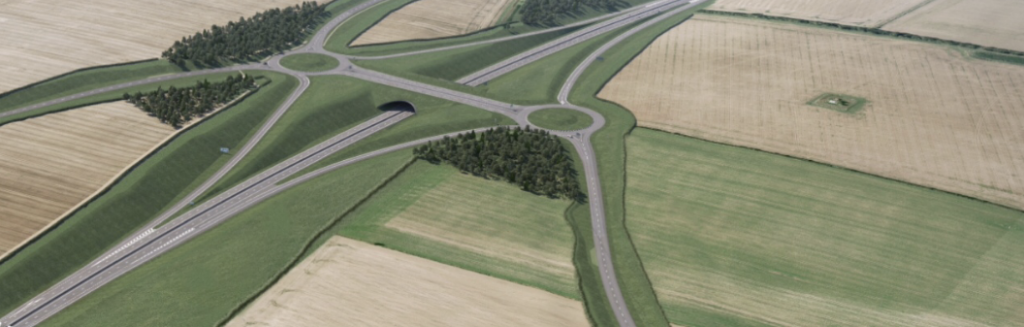
The scheme was already shelved in 2024 due to ballooning costs, despite receiving planning permission just a year before. The original plan featured a bored tunnel beneath the World Heritage Site, two new junctions, and a northern bypass. Now it’s dead in the water.
Local Officials Outraged as Heritage Campaigners Celebrate
- Wiltshire Council slammed the decision. Highways lead Martin Smith called it “a huge blow,” while council leader Ian Thorne warned scrapping the scheme is “completely unacceptable.” They say the plan was a rare chance to fix gridlock on one of the South West’s worst roads.
- Heritage campaigners hailed the end of a long fight. Stonehenge Alliance’s Mike Birkin warned the tunnel “would have caused enormous damage” to a priceless prehistoric landscape. He noted UNESCO and planning inspectors had condemned the project, yet it pushed ahead regardless.
- Birkin suggested the £179 million spent could be better used to improve rail links across the South West instead.
What Next? Unclear Alternatives and More Delays
The cash poured into preparatory work is gone for good. The Department for Transport has yet to reveal what alternative infrastructure plans will replace the tunnel or when they will be delivered. For now, drivers and heritage lovers alike are left waiting to see what comes next.